
How to Get Rid of Ticks: Prevention & Control Guide
Ixodida
How to Identify Ticks
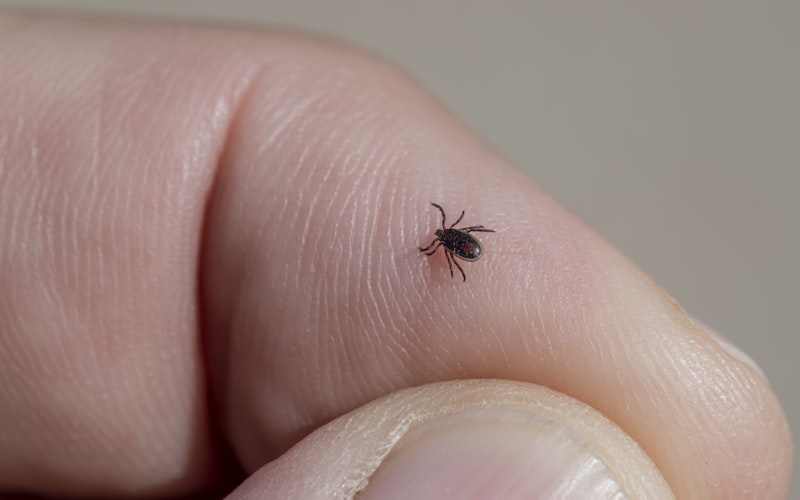
Ticks are small arachnids (related to spiders) that feed on blood. They have flat, oval bodies before feeding and become engorged and rounded after a blood meal. Depending on the species and life stage, unfed ticks range from the size of a poppy seed (nymphs) to a small apple seed (adults). After feeding, females can swell to the size of a small grape.
Key species for homeowners include: Black-legged ticks (deer ticks, Ixodes scapularis) are small, reddish-brown to black, and transmit Lyme disease. American dog ticks (Dermacentor variabilis) are larger, brown with white mottling, and transmit Rocky Mountain spotted fever. Lone star ticks (Amblyomma americanum) are identified by the single white dot on the female's back and can trigger alpha-gal syndrome (red meat allergy).
Ticks do not fly, jump, or drop from trees. They wait on the tips of grasses and low vegetation with their front legs outstretched (a behavior called "questing"), and grab onto hosts that brush past. This is why ticks are most commonly picked up when walking through tall grass, leaf litter, or brushy areas.
Signs of a Ticks Infestation
Unlike many pests, ticks do not infest homes in the traditional sense. The primary sign of a tick problem is finding ticks on yourself, family members, or pets after spending time outdoors. Check thoroughly after outdoor activities, paying special attention to the hairline, behind ears, underarms, waistband, behind knees, and between toes.
On pets, check around and inside ears, around the eyes, under the collar, between the front legs, between the back legs and around the tail, and between the toes. Ticks may already be attached and partially engorged, appearing as small, round bumps on the skin.
In your yard, you can assess tick populations using a "tick drag." Drag a white flannel cloth (about 3x3 feet) slowly over vegetation and leaf litter, checking it every 15-20 feet for attached ticks. This technique helps identify hot spots in your yard. Heavy tick activity in areas where people and pets spend time indicates the need for yard treatment.
Health & Property Risks
Ticks are the leading vector of disease in the United States, transmitting more pathogens to humans than any other arthropod group. Lyme disease (transmitted by black-legged ticks) is the most common, with approximately 30,000-40,000 reported cases annually (estimated actual cases are much higher). Early symptoms include a characteristic "bull's-eye" rash, fever, fatigue, and joint pain. If untreated, Lyme disease can cause chronic joint inflammation, neurological symptoms, and heart problems.
Other significant tick-borne diseases include Rocky Mountain spotted fever (can be fatal if not treated promptly), anaplasmosis, babesiosis, ehrlichiosis, and Powassan virus (rare but serious). Lone star ticks can trigger alpha-gal syndrome, a potentially lifelong allergy to red meat. Multiple tick-borne diseases can be transmitted by a single tick bite.
Dogs are particularly susceptible to tick-borne diseases including canine Lyme disease, ehrlichiosis, and anaplasmosis. These can cause serious illness and are expensive to treat. Regular tick prevention for pets and tick habitat management around homes are essential for protecting both human and animal health.
DIY vs. Professional Treatment
DIY tick prevention focuses on personal protection and yard management. When spending time in tick habitat, wear long pants tucked into socks, use EPA-registered tick repellents (DEET, picaridin, or permethrin-treated clothing), and perform thorough tick checks afterward. Shower within two hours of coming indoors and check carefully for attached ticks.
For yard management, keep grass mowed short, remove leaf litter, clear brush and weeds, and create a 3-foot wide gravel or wood chip border between lawn and wooded areas to restrict tick migration. Move play equipment and patios away from yard edges and tree lines. Stack firewood neatly in dry areas. Discourage deer and rodents (the primary tick hosts) by fencing gardens and removing bird feeders that attract rodents.
Call a professional when: you have a high tick population in your yard (finding ticks regularly on family or pets), you live adjacent to wooded areas or fields with heavy tick pressure, family members have had tick-borne disease, or you want seasonal yard treatment for comprehensive protection. Professional tick treatments typically involve perimeter sprays targeting the yard edges, ground cover, and vegetation where ticks harbor. Applications are typically done 2-4 times during tick season.
Prevention Tips
Create a tick-safe yard. Maintain a well-manicured landscape: mow regularly, remove leaf litter, trim shrubs, and eliminate brushy areas. Install a 3-foot gravel or mulch barrier between lawn and wooded or natural areas. This dry barrier discourages tick migration into maintained lawn areas. Place playground equipment, patios, and deck areas in sunny locations away from yard edges.
Manage wildlife that carry ticks into your yard. Deer are the primary hosts for adult black-legged ticks. Consider deer fencing for properties with heavy deer activity. White-footed mice are the primary reservoir hosts for Lyme disease bacteria and feed nymphal ticks. Keep your property clean and reduce mouse habitat (wood piles, stone walls, dense ground cover near the home). Tick tubes (permethrin-treated cotton that mice collect for nesting material) can reduce tick populations on mice in your yard.
Protect yourself and pets. Use EPA-registered repellents on exposed skin and treat clothing with permethrin (which kills ticks on contact and remains effective through several washes). Keep all dogs and cats on year-round tick prevention medication. Perform daily tick checks on all family members and pets during tick season. If you find an attached tick, remove it promptly with fine-tipped tweezers by grasping close to the skin and pulling straight out with steady pressure. Save the tick for identification.
Treatment Costs
Professional tick yard treatments typically cost $100-$300 per application, with most properties needing 3-6 applications during the active season (spring through fall). Seasonal treatment packages run $400-$1,200 for the full season depending on property size and number of treatments. Initial treatments often include more thorough vegetation management and may cost slightly more.
Tick tube installation costs $200-$500 for a typical residential property. Combined mosquito and tick treatment programs often offer better value at $600-$1,500 per season. Factors affecting price include property size, extent of wooded or natural area adjacent to the property, severity of tick pressure, and frequency of treatments. Many companies offer satisfaction guarantees with retreatment if ticks are found between scheduled service visits.
See our full Tick Control Cost Guide for detailed pricing by method.
Frequently Asked Questions
How do I properly remove an attached tick?
Use fine-tipped tweezers to grasp the tick as close to the skin surface as possible. Pull upward with steady, even pressure - do not twist or jerk. Clean the bite area with rubbing alcohol. Do not use folklore remedies like nail polish, petroleum jelly, or heat, which can cause the tick to regurgitate pathogens.
How long does a tick need to be attached to transmit Lyme disease?
A black-legged tick generally needs to be attached for 36-48 hours to transmit the Lyme disease bacterium. This is why daily tick checks are so important - prompt removal greatly reduces disease risk. However, other pathogens (like Powassan virus) can be transmitted in as little as 15 minutes.
Can ticks live indoors?
Most tick species cannot survive long indoors because they require humidity levels higher than typical indoor environments. However, brown dog ticks can complete their entire life cycle indoors and can infest homes, particularly if dogs are present. If you find ticks regularly inside, inspect pets and consider professional treatment.
Get a Free Ticks Treatment Quote
Answer a few questions about your pest problem and get an instant price estimate, then get matched with licensed professionals in your area.
Get a Free QuoteFind Ticks Exterminators Near You
Browse our directory of licensed pest control professionals who specialize in ticks treatment.
Search DirectoryRelated Pest Guides
Mosquitoes
Reduce mosquitoes around your home with proven strategies. Learn about breeding prevention, yard treatments, repellents, and professional services.
Fleas
Eliminate fleas from your home and pets. Expert guide covers flea identification, treatment steps, pet care, yard treatment, and prevention tips.