
How to Get Rid of Mosquitoes: Control & Prevention Guide
Culicidae
How to Identify Mosquitoes
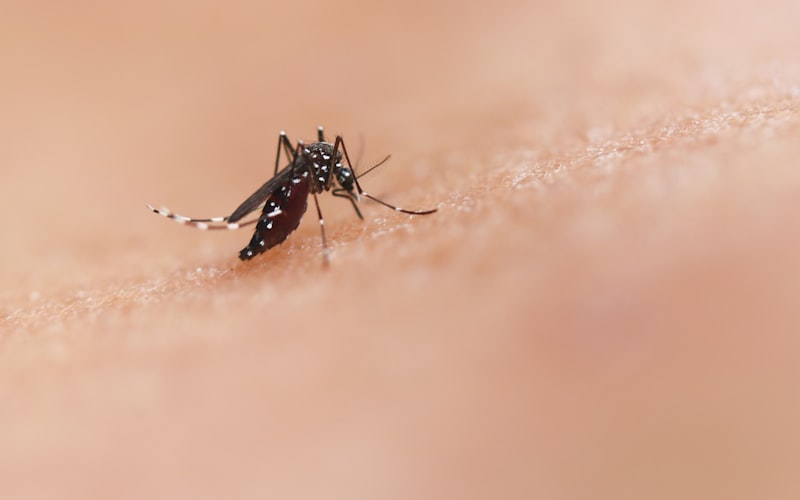
Mosquitoes are small flying insects (about 1/8-1/4 inch long) with slender bodies, long thin legs, and a distinctive long proboscis used for feeding. Females bite and feed on blood (needed for egg production), while males feed only on nectar. Mosquitoes have scales on their wings that create the characteristic buzzing sound during flight.
Over 200 mosquito species are found in the United States, but a few are most important for homeowners. Aedes mosquitoes (including Aedes aegypti and Aedes albopictus, the Asian tiger mosquito) are aggressive daytime biters with distinctive black-and-white striped legs and bodies. Culex mosquitoes are the most common in many areas, brown or gray, and primarily bite at dusk and dawn. Anopheles mosquitoes rest at a 45-degree angle and are significant disease vectors globally.
All mosquitoes require standing water to breed. Females lay eggs in or near water, and larvae develop in aquatic environments. A single female can lay 100-300 eggs at a time, and development from egg to adult can take as few as 7-10 days in warm weather. Understanding the mosquito life cycle is key to effective control.
Signs of a Mosquitoes Infestation
The most obvious sign of a mosquito problem is being bitten. Mosquito bites produce itchy, red welts that appear within minutes of being bitten. If you are consistently getting bitten in your yard - especially during certain times of day - you have a mosquito population breeding nearby.
Look for mosquito breeding habitat on your property. Any container or depression that holds water for more than a few days can produce mosquitoes. Common breeding sites include clogged gutters, birdbaths, plant saucers, old tires, buckets, tarps that collect rainwater, pet water bowls, tree holes, and low spots in the yard where water pools after rain.
Mosquito larvae (called wigglers) are visible in standing water as small, dark, comma-shaped organisms that wriggle just below the surface. Finding larvae in water on your property confirms active breeding. Check all water-holding containers - even a bottle cap's worth of water can support mosquito development.
Health & Property Risks
Mosquitoes are considered the most dangerous animal on earth due to their ability to transmit diseases. In the United States, mosquitoes transmit West Nile virus (the most common), Eastern equine encephalitis, and La Crosse encephalitis. In tropical and subtropical areas, they transmit Zika virus, dengue, chikungunya, and malaria.
West Nile virus is found in all 48 contiguous states. While most infections produce mild or no symptoms, about 1 in 150 infected people develop serious neurological illness. Elderly individuals and those with weakened immune systems are at greatest risk for severe disease. There is no specific treatment or vaccine for most mosquito-borne diseases.
Beyond disease transmission, mosquitoes significantly impact quality of life. Heavy mosquito populations can make outdoor activities unbearable, reduce property enjoyment, and even affect property values in severely affected areas. Pets are also at risk - mosquitoes transmit heartworm disease to dogs and cats, which can be fatal without treatment.
DIY vs. Professional Treatment
DIY mosquito control starts with eliminating breeding habitat. Walk your property weekly and dump or treat any standing water. Change birdbath water twice a week. Clean gutters. Store containers upside down. Use mosquito dunks (Bti tablets) in water features, ponds, or areas you cannot drain. This single step can dramatically reduce mosquito populations because you are preventing new mosquitoes from developing.
For personal protection and yard treatment, use EPA-registered repellents containing DEET, picaridin, IR3535, or oil of lemon eucalyptus on exposed skin. Citronella candles and torches provide modest relief in small areas. Yard sprays containing bifenthrin or permethrin applied to shaded resting areas (under decks, shrub foliage, tall grass) reduce adult mosquito populations for 2-4 weeks.
Call a professional when: DIY efforts do not provide adequate relief, you live near wetlands or other permanent mosquito habitat, you need protection for outdoor events, or disease-carrying mosquito species are active in your area. Professional mosquito services typically include barrier spray treatments every 3-4 weeks during mosquito season, targeting resting sites where adult mosquitoes harbor during the day. Some services also offer misting systems and In2Care traps for ongoing control.
Prevention Tips
Source reduction (eliminating standing water) is the most effective prevention strategy and should be a weekly habit during mosquito season. Walk your entire property and address every water-holding item: flip over or discard old containers, repair leaky outdoor faucets, keep gutters clean and flowing, fill tree holes with expanding foam, and ensure proper yard drainage so water does not pool.
Create a less mosquito-friendly landscape. Keep grass mowed short, trim dense vegetation where mosquitoes rest during the day, and improve air circulation in shaded areas. Install or repair window and door screens to keep mosquitoes out of your home. Use fans on porches and patios - mosquitoes are weak fliers and fans create enough wind to keep them away.
For water features you want to keep (ponds, fountains, rain barrels), use mosquito dunks or bits containing Bti, a natural bacterium that kills mosquito larvae but is safe for fish, pets, and wildlife. Stock ornamental ponds with mosquitofish. Cover rain barrels with fine mesh screening. Encourage natural mosquito predators by installing bat houses and maintaining bird-friendly habitat. Consider professional seasonal treatments if you live in a high-mosquito-pressure area.
Treatment Costs
Professional mosquito treatment typically costs $100-$250 per application, with most programs recommending treatment every 3-4 weeks during the active season. A full-season package (April through October) runs $500-$1,500 for an average residential property. Special event treatments (one-time) cost $150-$300.
Automated misting systems cost $2,000-$5,000 for installation, plus ongoing chemical refill costs of $200-$500 per season. Factors affecting price include property size, level of mosquito pressure, treatment frequency, and the type of products used (synthetic vs. natural/organic options, which may cost 10-30% more). Many companies offer seasonal contracts with guaranteed retreatment if mosquitoes return between scheduled visits.
See our full Mosquito Treatment Cost Guide for detailed pricing by method.
Frequently Asked Questions
Why do mosquitoes bite some people more than others?
Mosquitoes are attracted by carbon dioxide, body heat, lactic acid, and other chemicals in sweat. People who produce more of these attractants get bitten more. Blood type, metabolism, clothing color (dark colors attract more), and even beer consumption can increase attractiveness to mosquitoes.
Do mosquito traps and zappers actually work?
Bug zappers kill many insects but studies show they primarily kill beneficial insects rather than mosquitoes. CO2-based mosquito traps can reduce local populations over time but work best as part of a comprehensive control program that includes source reduction and barrier treatments.
Are natural mosquito repellents effective?
Some natural repellents provide limited protection. Oil of lemon eucalyptus (OLE) is EPA-registered and provides protection comparable to low concentrations of DEET. Citronella, lavender, and other plant oils offer minimal, short-lived protection. For areas with disease-carrying mosquitoes, DEET or picaridin products are recommended.
Get a Free Mosquitoes Treatment Quote
Answer a few questions about your pest problem and get an instant price estimate, then get matched with licensed professionals in your area.
Get a Free QuoteFind Mosquitoes Exterminators Near You
Browse our directory of licensed pest control professionals who specialize in mosquitoes treatment.
Search DirectoryRelated Pest Guides
Fleas
Eliminate fleas from your home and pets. Expert guide covers flea identification, treatment steps, pet care, yard treatment, and prevention tips.
Ticks
Protect your family from ticks and tick-borne diseases. Expert guide on tick identification, removal, yard treatment, and Lyme disease prevention.