
Bird Control Guide: Pigeon, Starling & Sparrow Removal
Aves
How to Identify Birds (Pigeons, Starlings, Sparrows)
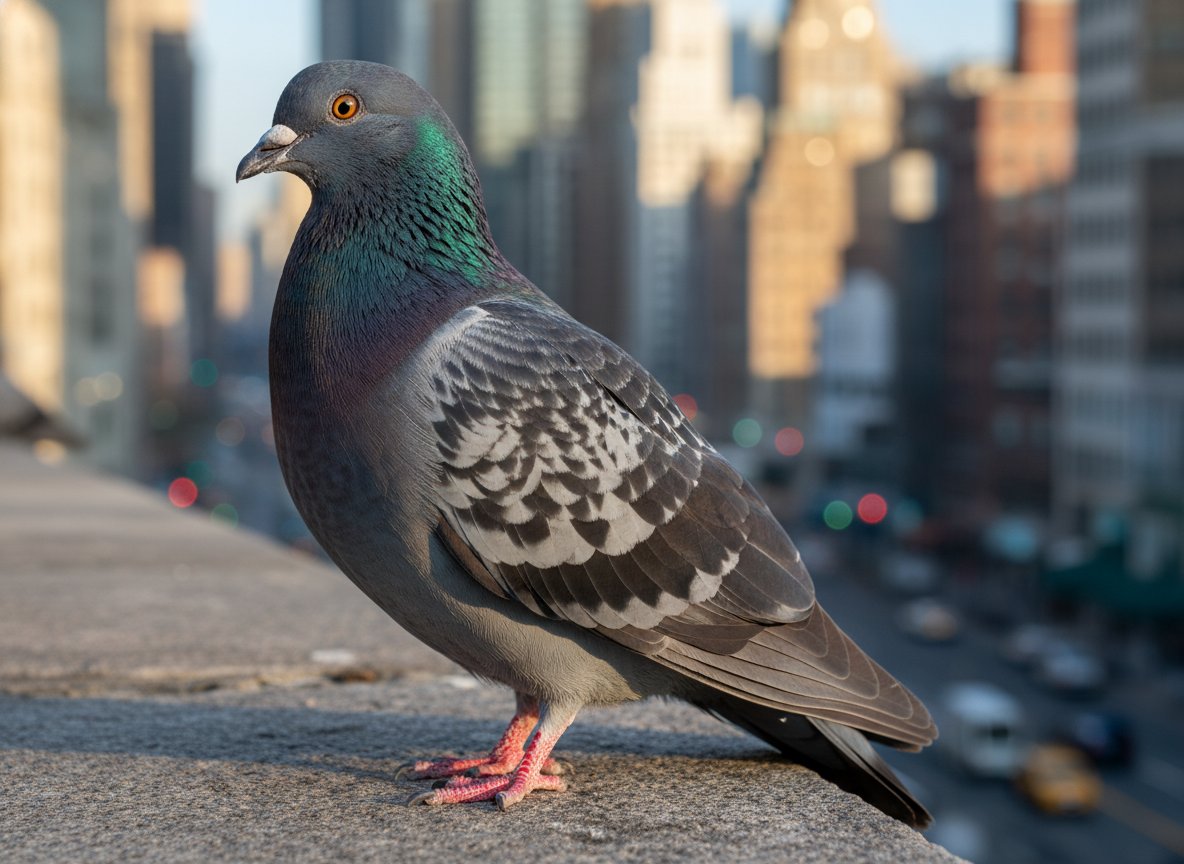
Pigeons (rock doves) are the most common urban pest bird — stocky, 11-14 inches long, typically blue-gray with iridescent neck feathers, though color varies widely. They roost on ledges, signs, rooftops, bridges, and building overhangs. Pigeons form large flocks, are non-migratory, and breed year-round, producing 3-6 broods per year. They are extremely habitual and will return to the same roosting and nesting sites persistently despite deterrence efforts.
European starlings are medium-sized (7-9 inches), stocky birds with short tails, pointed wings, and long thin bills. In winter they appear dark with white speckles; in summer they are glossy black with a green-purple sheen. Starlings are aggressive cavity nesters that compete with native birds for nest sites and commonly enter attics, dryer vents, stove hood vents, and bathroom exhaust vents. They form enormous flocks (murmurations) in fall and winter that can number in the thousands. House sparrows are small (5-6 inches), chunky, brown and gray birds commonly found around buildings, parking lots, and outdoor dining areas.
Other pest bird species include woodpeckers (which drum on siding, trim, and fascia causing structural damage), Canada geese (which foul lawns, parks, and commercial properties with droppings), grackles and crows (which form large, noisy roosting flocks), and swallows (which build mud nests on building exteriors). Most native bird species are protected under the Migratory Bird Treaty Act, which makes it illegal to kill them, destroy active nests, or possess them without a permit. However, pigeons, starlings, and house sparrows are non-native species and are not protected under this act, allowing more aggressive control measures.
Signs of a Birds (Pigeons, Starlings, Sparrows) Infestation
The most obvious sign of a bird problem is droppings accumulating on buildings, sidewalks, vehicles, signage, loading docks, and outdoor seating areas. Pigeon droppings in particular are highly acidic and can damage paint, concrete, metal, and stone surfaces. A buildup of droppings on ledges, windowsills, rooftop equipment, or ventilation systems indicates established roosting. The volume of droppings reveals the severity — light scattered droppings suggest occasional perching, while heavy accumulation with feathers and nesting material indicates a permanent roost.
Nesting activity is another key sign. Pigeons build simple nests of sticks, straw, and debris on ledges, in alcoves, under bridges, and on rooftop equipment. Starlings and sparrows nest in cavities — check dryer vents, bathroom exhaust vents, stove hood vents, gutters, and gaps in soffits for nesting material (grass, straw, feathers, trash). Clogged vents are a fire hazard and can cause carbon monoxide buildup if combustion appliance vents are blocked. You may hear chicks chirping inside walls or vents during nesting season (March-August).
Other signs include persistent bird noise (cooing, chirping) especially at dawn and dusk, birds entering and exiting a specific opening in the building, feathers and debris accumulating near entry points, and damage to outdoor products, merchandise, or crops. For commercial properties, watch for birds entering warehouses or retail spaces through loading dock doors. For residential properties, woodpecker damage (rows of small holes in wood siding) and swallow mud nests under eaves are species-specific indicators.
Health & Property Risks
Bird droppings carry over 60 transmissible diseases, including histoplasmosis, cryptococcosis, and psittacosis. Accumulated droppings in enclosed areas like attics, ventilation ducts, and warehouse spaces can release fungal spores when disturbed, posing a serious respiratory health hazard. Cleanup of large accumulations should be treated as a biohazard requiring respiratory protection, containment, and proper disposal. Droppings also attract secondary pests including flies, mites, carpet beetles, and cockroaches.
Property damage from pest birds is substantial. Pigeon droppings are highly acidic (pH 3-4.5) and corrode metal, erode stone, stain paint, and damage roofing materials. Accumulated droppings can clog gutters and drainage systems, leading to water damage. Nesting material in vents creates fire hazards and can block airflow in HVAC systems. Starling nests in exhaust vents have caused house fires and carbon monoxide incidents. Woodpeckers can cause thousands of dollars in damage to wood siding, cedar shakes, and exterior trim. The USDA estimates that birds cause over $1 billion in property damage annually in the United States.
For businesses, bird problems carry additional liability. Health code violations from bird droppings near food service areas can result in fines and forced closures. Slip-and-fall liability from droppings on walkways and entrances is a significant concern for retail and commercial properties. Birds in warehouses contaminate inventory and create compliance issues for food storage and manufacturing facilities. The reputational damage from visible bird infestations can also impact customer perception and business revenue.
DIY vs. Professional Treatment
DIY bird deterrence is feasible for small-scale residential problems. Physical exclusion is the most effective approach: install hardware cloth or commercial vent covers over dryer vents, bathroom exhausts, and stove hood vents to prevent nesting (ensure covers allow proper airflow). For ledge roosting, install bird spikes (stainless steel or polycarbonate) on affected ledges, windowsills, and signs — spikes are widely available at hardware stores and can be attached with adhesive or screws. Spikes are humane — they simply prevent landing, not injure birds.
Visual and auditory deterrents (reflective tape, predator decoys, ultrasonic devices) provide temporary relief at best. Birds are intelligent and habituate to these quickly. Reflective tape and predator eyes may work for a few days to weeks. Motion-activated sprinklers can deter geese from lawns. For woodpeckers, hanging reflective Mylar strips near the damage area and filling holes promptly can help. The most effective DIY approach for any bird problem is to remove food sources and nesting opportunities — secure garbage, remove bird feeders near the home, cover or move pet food, and seal all openings larger than 1 inch.
Call a professional when: you have a large flock (10+ birds) roosting on your building, birds are nesting inside the structure (vents, attic), significant droppings accumulation needs biohazard cleanup, you need bird netting installed on commercial buildings, the birds are a protected species (most native birds) requiring permits for management, or residential deterrents have failed. Professional bird control companies install commercial-grade exclusion (netting, screening, slope panels), electrified deterrent tracks (low-voltage systems that discourage landing), bird wire systems for ledges, and can obtain necessary permits for managing protected species.
Prevention Tips
Seal all openings where birds can enter or nest. Cover dryer, bathroom, and kitchen exhaust vents with proper bird-proof vent covers (available at hardware stores for $10-$20 each). Screen attic vents, soffit vents, and gable vents with 1/2 inch hardware cloth or smaller. Cap chimneys with screened chimney caps. Seal gaps where building materials meet — the junction of roof and wall, gaps around window-mounted AC units, and openings in damaged fascia or siding. Inspect and maintain these annually, especially before nesting season (March).
Eliminate food and water sources near your building. Secure garbage in closed containers. Clean up spilled food around outdoor dining areas, loading docks, and dumpsters. Remove or relocate bird feeders if pigeons, starlings, or sparrows are a problem. Eliminate standing water from flat rooftops, clogged gutters, and ornamental features. For commercial properties, maintain clean loading areas and ensure dumpster lids close fully. Reducing food availability is the single most impactful step for reducing bird populations around a building.
For persistent roosting problems, install physical deterrents proactively before a large flock becomes established. Bird spikes on ledges, netting over recessed areas and alcoves, and slope panels on flat ledges all prevent birds from settling. These are much more effective (and cheaper) when installed before birds become habituated to a site than after a large flock has established. For new construction or major renovations, specify bird-proof vent covers and consider architectural features that minimize horizontal ledges and recessed areas where birds roost and nest.
Treatment Costs
Bird control costs depend heavily on the scope of work and the building type. For residential properties, vent screening (to prevent nesting) costs $50 to $150 per vent. Bird spike installation on accessible ledges costs $15 to $30 per linear foot for materials and installation. A typical residential bird deterrent project runs $200 to $800. Biohazard cleanup of bird droppings and nesting material costs $300 to $1,000 depending on the volume and location.
For commercial properties, bird netting installation costs $3 to $10 per square foot for heavy-duty polyethylene netting including hardware and labor. Electrified track systems (like Bird-Shock Flex-Track) cost $10 to $25 per linear foot installed. A comprehensive commercial bird exclusion project for a medium-sized building typically runs $2,000 to $10,000 depending on the building size, height, and complexity. Ongoing bird management contracts for commercial properties cost $200 to $500 per month including regular inspections, maintenance, and deterrent adjustments.
See our full Bird Control Cost Guide for detailed pricing by service type.
Frequently Asked Questions
Is it legal to remove bird nests from my house?
It depends on the species. Pigeon, starling, and house sparrow nests can be legally removed at any time — these are non-native species not protected by the Migratory Bird Treaty Act. For all other bird species (including swallows, robins, wrens, and woodpeckers), it is illegal to remove active nests containing eggs or chicks without a permit. You can remove inactive nests after the breeding season ends.
Do bird spikes hurt birds?
No. Bird spikes are a humane deterrent — they simply prevent birds from landing on a surface. The blunted points make the surface uncomfortable to perch on but do not injure birds. Spikes are recommended by bird conservation organizations as a humane alternative to lethal control methods.
Why do birds keep coming back to the same spot?
Birds, especially pigeons, are extremely habitual. Once they identify a roosting or nesting site, they return persistently because the location met their needs for shelter, safety, and proximity to food. This is why deterrent methods must be physical (spikes, netting, exclusion) rather than just visual or auditory — birds quickly learn that fake owls and reflective tape are not real threats.
Get a Free Birds (Pigeons, Starlings, Sparrows) Treatment Quote
Answer a few questions about your pest problem and get an instant price estimate, then get matched with licensed professionals in your area.
Get a Free QuoteFind Birds (Pigeons, Starlings, Sparrows) Exterminators Near You
Browse our directory of licensed pest control professionals who specialize in birds (pigeons, starlings, sparrows) treatment.
Search DirectoryRelated Pest Guides
Wildlife (Raccoons, Squirrels, Opossums)
Safe wildlife removal for raccoons, squirrels, and opossums. Learn signs of wildlife in your home, humane removal options, and exclusion methods.
Bats
Complete guide to bat removal, exclusion, and prevention. Learn the signs of a bat infestation, legal protections, professional removal costs, and how to bat-proof your home.