
Wildlife Removal Guide: Raccoons, Squirrels & More
How to Identify Wildlife (Raccoons, Squirrels, Opossums)
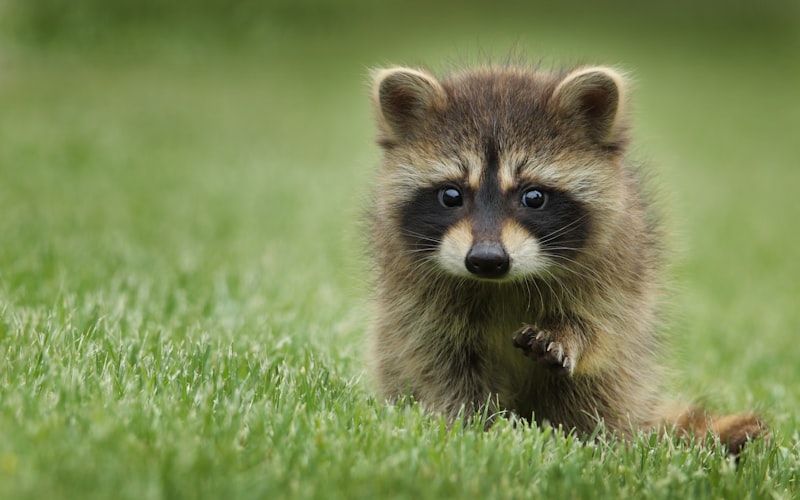
Raccoons are medium-sized mammals (12-36 inches long, 10-30 pounds) with distinctive black "mask" markings across the eyes and bushy, ringed tails. They have dexterous front paws that can open latches, turn doorknobs, and manipulate objects. They are nocturnal, highly intelligent, and common in both urban and suburban settings.
Squirrels include gray squirrels, fox squirrels, and flying squirrels. Gray squirrels are the most common home invader - 18-20 inches long including the tail, gray or brownish-gray with white undersides. Flying squirrels are smaller and nocturnal, so homeowners often hear them but do not see them. Squirrels are active year-round but seek shelter in attics and wall voids especially in fall and winter.
Opossums are North America's only marsupial, grayish-white with a pointed face, hairless ears, and a long, bare prehensile tail. They are about the size of a house cat. Skunks are recognizable by their black and white coloring and can spray a defensive, foul-smelling liquid. Bats are another common wildlife intruder, roosting in attics, soffits, and wall voids. Identifying the specific animal is important because removal methods and legal protections vary by species.
Signs of a Wildlife (Raccoons, Squirrels, Opossums) Infestation
Sounds are often the first indicator. Raccoons make heavy thumping and scratching sounds, usually at night. Squirrels produce rapid scurrying and scratching, primarily during daytime (gray squirrels) or nighttime (flying squirrels). Opossums are relatively quiet but may make hissing sounds. Bats produce high-pitched chirping and scratching at dusk and dawn.
Look for entry points and damage. Raccoons can rip off soffit panels, tear open roof vents, and pull apart damaged fascia boards. Squirrels chew through wood, plastic, and even aluminum to create entry holes - look for 2-3 inch diameter holes along the roofline, at dormers, or where tree branches touch the house. Check for droppings near entry points (size and shape help identify the species).
Inside attics, look for disturbed or compressed insulation (nesting), droppings, urine staining, food caches (squirrels store nuts and seeds), and shredded materials. A strong ammonia smell indicates urine accumulation. Raccoons create "latrine sites" where they repeatedly defecate in one area. Bat guano accumulates below roosting points and has a distinctive musty odor. Exterior signs include damaged gardens, overturned trash cans, and tracks in mud or snow near the foundation.
Health & Property Risks
Wildlife in homes creates serious health and safety concerns. Raccoons are a primary carrier of rabies and raccoon roundworm (Baylisascaris procyonis), a parasite whose eggs in raccoon feces can cause severe neurological disease in humans. Raccoon latrines must be cleaned with extreme caution due to this risk. Bats are also significant rabies carriers, and any bat found in a room with sleeping people warrants medical consultation about rabies exposure.
Squirrels chew electrical wiring, creating a significant fire hazard. They also damage insulation, ductwork, stored items, and structural wood. Flying squirrel colonies can number 10-20 animals, causing rapid insulation damage and contamination. Opossums carry fleas, ticks, and various diseases. Skunks can spray under or near homes, creating lingering odor problems and potentially contaminating HVAC systems.
All wildlife in attics and wall voids damages insulation through compression, nesting, droppings, and urine, reducing energy efficiency and potentially creating biohazard conditions. The contaminated insulation often needs professional removal and replacement. Wildlife also introduces parasites (fleas, ticks, mites) into the home, potentially creating secondary pest problems.
DIY vs. Professional Treatment
Wildlife removal is strongly recommended to be handled by professionals for several important reasons. First, many wildlife species are protected by state and federal laws that regulate how and when they can be trapped and relocated. Improper handling can result in fines. Second, wildlife can carry rabies, parasites, and other diseases that pose real risk during capture. Third, effective exclusion requires specialized knowledge and often ladder and roof work.
The one DIY step homeowners should take is identifying and documenting the problem. Note what sounds you hear and when, look for entry points from the ground (do not climb on the roof), and observe the animals if possible. This information helps the professional plan their approach. You can also make attic spaces less attractive by installing bright lights and a radio, which may encourage animals to leave voluntarily before exclusion.
Always call a professional for: any raccoon, bat, or skunk removal (rabies risk), animals in wall voids (requires opening walls), babies present (mothers must be reunited with young), animals that appear sick or aggressive, and any situation involving dead wildlife in inaccessible areas. Professionals use humane one-way exclusion devices, live traps, and comprehensive sealing to remove animals and prevent re-entry. They also handle the legal requirements of wildlife relocation.
Prevention Tips
Exclusion is the key to preventing wildlife from entering your home. Inspect your roof, soffits, fascia, and attic vents regularly for damage or gaps. Raccoons can exploit openings as small as 4 inches, and squirrels need only 1.5 inches. Repair damaged areas promptly with heavy-gauge hardware cloth, sheet metal, or steel wool backed by caulk. Cap chimneys with wildlife-proof caps and screen all attic and crawl space vents.
Remove attractants from your property. Secure garbage cans with bungee cords or locking lids. Do not leave pet food outside. Clean up fallen fruit and birdseed (or remove bird feeders if squirrels are a problem). Seal compost bins. Do not intentionally feed wildlife - this habituates them to humans and concentrates them near homes.
Manage your landscape to reduce wildlife access. Trim tree branches so they are at least 6-8 feet from the roof (squirrels and raccoons use overhanging branches as highways to your attic). Remove dense vegetation against the house that provides cover. Install motion-activated lights or sprinklers to deter nocturnal wildlife. For persistent problems, schedule annual wildlife inspections with a licensed wildlife control operator, ideally in late summer before animals begin seeking winter shelter.
Treatment Costs
Professional wildlife removal typically costs $200-$600 for trapping and removal of a single animal, with prices varying by species and complexity. Raccoon removal averages $300-$500, squirrel removal $200-$400, and bat colony exclusion $300-$1,500 depending on colony size and building structure. Skunk removal costs $250-$500.
Comprehensive exclusion work (sealing all entry points) adds $500-$3,000 depending on the home. Attic insulation removal and replacement due to wildlife contamination runs $1,500-$5,000 or more depending on the attic size and extent of contamination. Some wildlife control companies offer complete packages that include removal, exclusion, and remediation. Check that your wildlife operator is licensed and insured, as this work involves specialized permits in most states.
See our full Wildlife Removal Cost Guide for detailed pricing by species.
Frequently Asked Questions
Is it legal to trap and relocate wildlife myself?
Wildlife trapping and relocation laws vary by state and species. Many states require permits for trapping or restrict relocation distances and methods. Some species (like bats) have federal protections during certain seasons. Hiring a licensed wildlife control professional ensures legal compliance.
What should I do if I find a bat in my house?
Do not touch the bat with bare hands. If anyone in the home may have had contact with the bat (especially during sleep), contain the bat and contact your local health department about rabies testing. If no human or pet contact occurred, open windows and doors to allow the bat to leave, or carefully contain it and release it outside.
Will mothballs or ammonia keep wildlife out of my attic?
No. Mothballs and ammonia are not effective wildlife deterrents and can actually create health hazards for the home's occupants. Mothball use in attics violates EPA label requirements. The only reliable method to keep wildlife out is physical exclusion - sealing all entry points with appropriate materials.
Get a Free Wildlife (Raccoons, Squirrels, Opossums) Treatment Quote
Answer a few questions about your pest problem and get an instant price estimate, then get matched with licensed professionals in your area.
Get a Free QuoteFind Wildlife (Raccoons, Squirrels, Opossums) Exterminators Near You
Browse our directory of licensed pest control professionals who specialize in wildlife (raccoons, squirrels, opossums) treatment.
Search Directory