
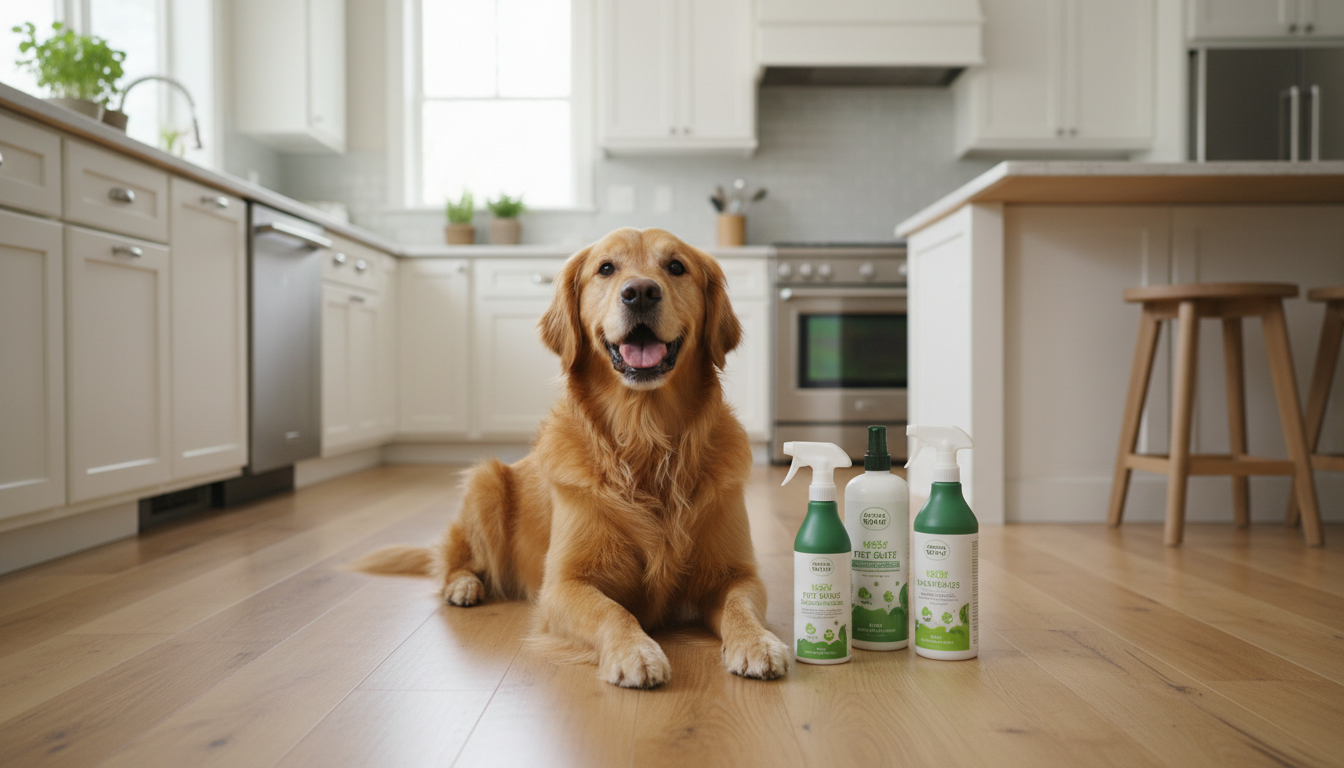
Pet-Safe Pest Control: How to Get Rid of Bugs Without Harming Your Pets
Key Takeaways
- Many common pesticides — including pyrethroids, organophosphates, and rodenticides — pose serious risks to dogs and cats even at low exposure levels.
- Pet-safe alternatives exist for virtually every pest problem, from diatomaceous earth for crawling insects to peppermint-based repellents for rodents.
- Always read labels and look for active ingredients like spinosad, caprylic acid, or plant-based essential oils rather than synthetic chemical classes.
- Keep pets off treated surfaces for the full label-specified drying time — typically 2–4 hours for sprays, 24 hours for granules.
- A licensed pest control professional can apply treatments with your pets in mind, using Integrated Pest Management (IPM) techniques that minimize chemical exposure.
Protecting Your Pets While Fighting Pests
Every pet owner has faced the same dilemma: you've got ants marching across the kitchen counter or a flea infestation spreading through the living room — but you're terrified of exposing your dog or cat to dangerous chemicals.
The good news is that pet-safe pest control is absolutely achievable. With the right knowledge about which products are safe, which are dangerous, and how professional exterminators can tailor treatments around your animals, you can win the battle against household pests without putting your furry family members at risk.
This guide walks you through everything you need to know — from specific safe ingredients to what to avoid to when it's time to stop DIYing and call a pro.
Why Standard Pest Control Can Be Dangerous for Pets
Pets face a higher risk from pesticides than most people realize. Dogs and cats spend time close to the ground where pesticide residue concentrates. They also groom themselves by licking their paws and fur, which means they ingest residues that humans would never touch.
Cats are especially vulnerable. Unlike dogs and humans, cats lack certain liver enzymes (specifically glucuronyl transferase) that break down many synthetic compounds. This means substances that are merely irritating to a dog can be acutely toxic to a cat.
Common routes of pet exposure include:
- Walking across freshly treated floors or lawns and licking paws
- Direct skin contact with sprayed surfaces or granules
- Inhaling aerosol or fogger residue that settles in breathing zones near the floor
- Eating poisoned bait designed for rodents or insects
- Drinking from outdoor water dishes that collected pesticide overspray
Symptoms of pesticide poisoning in pets range from mild (drooling, lethargy, pawing at the face) to severe (muscle tremors, seizures, respiratory distress, and death). If you suspect your pet has been exposed, call the ASPCA Animal Poison Control Center at (888) 426-4435 immediately.
Pet-Safe Indoor Pest Control Methods
Physical and Mechanical Controls
Before reaching for any product, physical exclusion and sanitation are your safest first line of defense. Seal cracks and gaps around pipes, windows, and baseboards with caulk or steel wool. Store food in airtight containers and empty trash cans frequently.
Sticky traps and snap traps for rodents are chemical-free and effective — just place them inside enclosed bait stations so pets cannot reach them. Electric fly traps and UV light insect zappers are completely pet-safe alternatives to chemical fly sprays.
Diatomaceous Earth (Food Grade)
Food-grade diatomaceous earth (DE) is one of the most versatile and pet-safe pest control products available. It works mechanically, not chemically — the microscopic silica particles cut into the exoskeletons of crawling insects like ants, roaches, fleas, and bed bugs, causing them to dehydrate.
Apply a thin layer along baseboards, under appliances, and in cracks. Key points for safe use:
- Use only food-grade DE, never pool-grade (which contains crystalline silica and is a respiratory hazard)
- Avoid heavy applications that create visible dust clouds — fine, barely-visible layers are most effective and safest
- Keep pets out of the room briefly while applying, then re-entry is safe once dust settles
Boric Acid
Boric acid is a naturally occurring mineral that is highly effective against cockroaches and ants. It has a low mammalian toxicity profile when used correctly — the key phrase being "when used correctly."
Apply it only in thin, barely-visible puffs inside wall voids, behind appliances, and under cabinets where pets cannot access it. Never apply boric acid where pets or children can directly contact the powder.
Essential Oil-Based Sprays
Plant-based sprays using peppermint oil, cedarwood oil, lemongrass oil, or clove oil can deter ants, spiders, and some flying insects. These are generally safe around dogs when diluted appropriately but require extra caution around cats — concentrated essential oils can cause neurological symptoms in felines.
Always dilute properly (typically 10–15 drops per 8 oz of water), allow surfaces to dry before allowing pets back in, and avoid direct contact with cats' skin or fur.
Pet-Safe Outdoor Pest Control Methods
Beneficial Nematodes
Beneficial nematodes (specifically Steinernema carpocapsae or Heterorhabditis bacteriophora) are microscopic roundworms you apply to your lawn via a garden sprayer. They kill soil-dwelling pests like flea larvae, grubs, and termites — completely harmless to mammals, birds, and earthworms.
Apply in the evening or on overcast days when soil is moist. Pets can return to the lawn immediately after application.
Neem Oil
Neem oil, derived from the neem tree, contains azadirachtin, which disrupts the life cycle of soft-bodied insects including aphids, whiteflies, and immature fleas. It biodegrades quickly and poses minimal risk to pets once dry.
Keep pets away while spraying and for 1–2 hours while the product dries.
Granular Insect Growth Regulators (IGRs)
Products containing methoprene or pyriproxyfen work by mimicking insect hormones, preventing larvae from reaching adulthood. They are not neurotoxins and are considered low-risk for mammals when used as directed.
Common Pest Treatments and Pet Safety
Ants
Safest approach: Gel baits using borax or boric acid placed inside tamper-resistant bait stations. The bait is carried back to the colony, eliminating it at the source.
Avoid: Granular ant baits left open in the lawn, and spray-on bifenthrin or cypermethrin products, which are toxic to cats and fish.
Cockroaches
Safest approach: Gel baits containing indoxacarb or hydramethylnon applied in tiny dots deep inside cabinets and wall voids — areas completely inaccessible to pets.
Avoid: Roach foggers ("bug bombs") — these deposit chemical residue on every surface in the room, including pet bedding and food bowls.
Fleas
Safest approach: A multi-stage attack using your veterinarian's recommended on-pet treatment (oral spinosad or isoxazoline-class products), combined with sodium polyborate carpet powder and yard treatment with beneficial nematodes. Wash all pet bedding in hot water weekly.
Avoid: Pyrethrin and permethrin flea sprays or dips — these are acutely toxic to cats and should never be used in any home with feline pets.
Rodents
Safest approach: Snap traps and electronic traps inside sealed bait stations placed where pets cannot access them.
Avoid: All anticoagulant rodenticides (brodifacoum, bromadiolone, diphacinone) and neurotoxic baits (bromethalin). These cause secondary poisoning — your pet can be fatally poisoned by eating a dead or dying rodent that consumed the bait.
Spiders
Safest approach: Regular vacuuming of webs and egg sacs, combined with sticky glue traps placed in corners. Cedarwood-based sprays repel spiders without significant toxicity risk.
Avoid: Broad-spectrum pyrethroid sprays applied throughout the home.
Pet-Safe Ingredients to Look For
When selecting any pest control product, scan the label for these generally safer active ingredients:
- Spinosad — Derived from a naturally occurring soil bacterium; low mammalian toxicity
- Caprylic acid / Capric acid — Fatty acids considered safe around pets when used as directed
- Azadirachtin — The active compound in neem oil; low vertebrate toxicity
- Boric acid / Borax (applied out of reach) — Low systemic toxicity when not ingested in large quantities
- Methoprene / Pyriproxyfen — Insect growth regulators; not neurotoxins
- Sodium polyborate — Long-residual carpet treatment for fleas; low mammalian toxicity
- Iron phosphate — Safe slug bait (do not confuse with metaldehyde baits, which are toxic)
Chemicals to Avoid Around Pets
The following chemical classes pose significant risk to dogs and/or cats:
- Pyrethrins and synthetic pyrethroids (permethrin, cypermethrin, bifenthrin, deltamethrin) — Extremely toxic to cats; can cause tremors and death within hours of skin exposure.
- Organophosphates (chlorpyrifos, malathion, acephate) — Dangerous to all pets; largely restricted from residential use but still found in some products.
- Carbamates (carbaryl, methomyl) — Toxic to dogs and cats at sufficient doses.
- Anticoagulant rodenticides (brodifacoum, bromadiolone, difethialone) — Cause internal bleeding; deadly through secondary poisoning.
- Bromethalin — A neurotoxic rodenticide with no antidote.
- Metaldehyde — Used in slug baits; highly attractive to dogs and acutely toxic.
- DEET — Causes neurological symptoms in pets. Never apply human bug repellent to animals.
- Total-release foggers ("bug bombs") — Deposit broad chemical residue on every surface.
When to Call a Professional
Some infestations are too large for safe DIY treatment. Calling a licensed pest control professional is the right call when:
- Cockroach or flea infestations have spread throughout multiple rooms
- You suspect termites or bed bugs (specialized treatments required)
- DIY attempts have failed after two or more cycles
- You have multiple pets or pets with compromised immune systems
When you contact a company, be upfront about the pets in your home. A reputable technician will select lower-toxicity products, use targeted applications rather than blanket broadcasts, and recommend Integrated Pest Management (IPM) techniques that prioritize non-chemical controls. Find pet-friendly pest control companies near you.
You Can Have a Pest-Free, Pet-Safe Home
Protecting your home from pests and protecting your pets are not competing goals. Start with physical controls and sanitation, use mechanical traps and low-risk products like food-grade DE and boric acid gel baits, and avoid the most dangerous chemical classes — especially pyrethroids around cats and anticoagulant rodenticides in any pet household.
When the problem is bigger than a DIY fix, call a licensed pest control professional. With clear communication about your pets, a good technician can solve your pest problem safely and effectively.
Related Articles

Why Pest Control Companies Are Booming: Industry Trends for 2026
Key Takeaways The U.S. pest control industry generates over $24 billion in annual revenue and has ...

Pest Control for New Homeowners: Your First-Year Checklist
Key Takeaways Schedule a professional pest inspection within the first 30 days of homeownership — ...
How Much Does Pest Control Cost in 2026? A Complete Pricing Guide
Key Takeaways The average one-time pest control treatment costs $150–$350, while quarterly service...