

Pest Control for New Homeowners: Your First-Year Checklist
- Schedule a professional pest inspection within the first 30 days of homeownership — home inspections often miss active pest issues or early signs of termite damage.
- The number one pest mistake new homeowners make is waiting until they see a problem. Preventive treatment costs a fraction of reactive treatment.
- Check your home's exterior for entry points: gaps as small as 1/4 inch (the width of a pencil) are enough for mice, and 1/16 inch gaps allow ants and roaches.
- Ask the seller or seller's agent about the property's pest history — previous termite treatments, rodent issues, or wildlife problems that may recur.
- Budget $200–$400 for an initial professional pest treatment and $160–$280/year for a quarterly maintenance plan.
Congratulations on your new home. Among the excitement of moving in, there is one category of home maintenance that new homeowners consistently underestimate: pest prevention. A standard home inspection covers structural elements, electrical, plumbing, and HVAC — but it typically provides only a surface-level check for pest issues. Termite damage behind walls, rodent entry points in the attic, and carpenter ant nesting in moist wood often go undetected until they become expensive problems.
This first-year checklist helps you establish pest protection from day one, understand what to look for seasonally, and avoid the costly surprises that catch unprepared homeowners off guard.
Before You Move In (or Within the First 30 Days)
1. Schedule a Dedicated Pest Inspection
A standard home inspection is not a substitute for a pest-specific inspection. Licensed pest control professionals inspect areas that general home inspectors often skip or examine superficially: crawl spaces, attic insulation, inside wall voids via access panels, behind built-in appliances, and the full exterior perimeter at ground level.
What a pest inspection looks for:
- Termite mud tubes, swarm evidence, and wood damage (probing with a screwdriver)
- Rodent droppings, nesting material, gnaw marks, and grease rub marks along walls
- Signs of carpenter ant frass (sawdust-like debris near wood structures)
- Cockroach activity (droppings, egg cases, musty odor)
- Wildlife entry points (roof intersections, soffit gaps, foundation openings)
- Moisture conditions that attract wood-destroying organisms
Cost: $75–$150 for a standalone inspection. Many pest control companies offer free inspections as part of a service consultation — just be aware they may recommend more treatment than is strictly necessary.
2. Ask About the Property's Pest History
Sellers in most states are required to disclose known pest issues, but "known" does varying amounts of work in that sentence. Proactively ask:
- Has the home ever been treated for termites? If so, is there an active warranty? Can it be transferred?
- Is there a history of rodent issues? (Common in older homes and rural properties.)
- Has the property been treated for bed bugs? (Important for condos and multi-unit buildings.)
- Were there any wildlife issues — bats in the attic, raccoons in the chimney, etc.?
3. Do an Exterior "Entry Point" Walkthrough
Before your first week is over, walk the complete exterior perimeter of your home and look for gaps, cracks, and openings that pests use to get inside. Bring a tube of silicone caulk and a can of expanding foam — you can seal most issues on the spot.
Common entry points to check:
- Foundation-siding junction: Where the siding meets the foundation is a highway for ants, spiders, and roaches. Look for gaps, cracks, and deteriorated caulk.
- Pipe and wire penetrations: Every place a pipe, wire, or cable enters the exterior wall is a potential entry point. Gaps around these penetrations are the #1 way mice get inside.
- Door sweeps and thresholds: Can you see daylight under any exterior door? If so, add a door sweep. Mice need a gap of just 1/4 inch to squeeze through.
- Garage door seal: The rubber seal at the bottom of the garage door deteriorates over time. A worn seal invites mice, spiders, and crickets.
- Attic and soffit vents: Ensure all vents have intact screens. Missing or damaged screens allow wasps, bats, squirrels, and birds into the attic.
- Chimney cap: An uncapped chimney is an open invitation for raccoons, squirrels, and birds.
Your First Spring (March–May)
Spring is when most pest activity ramps up. Here is what to focus on:
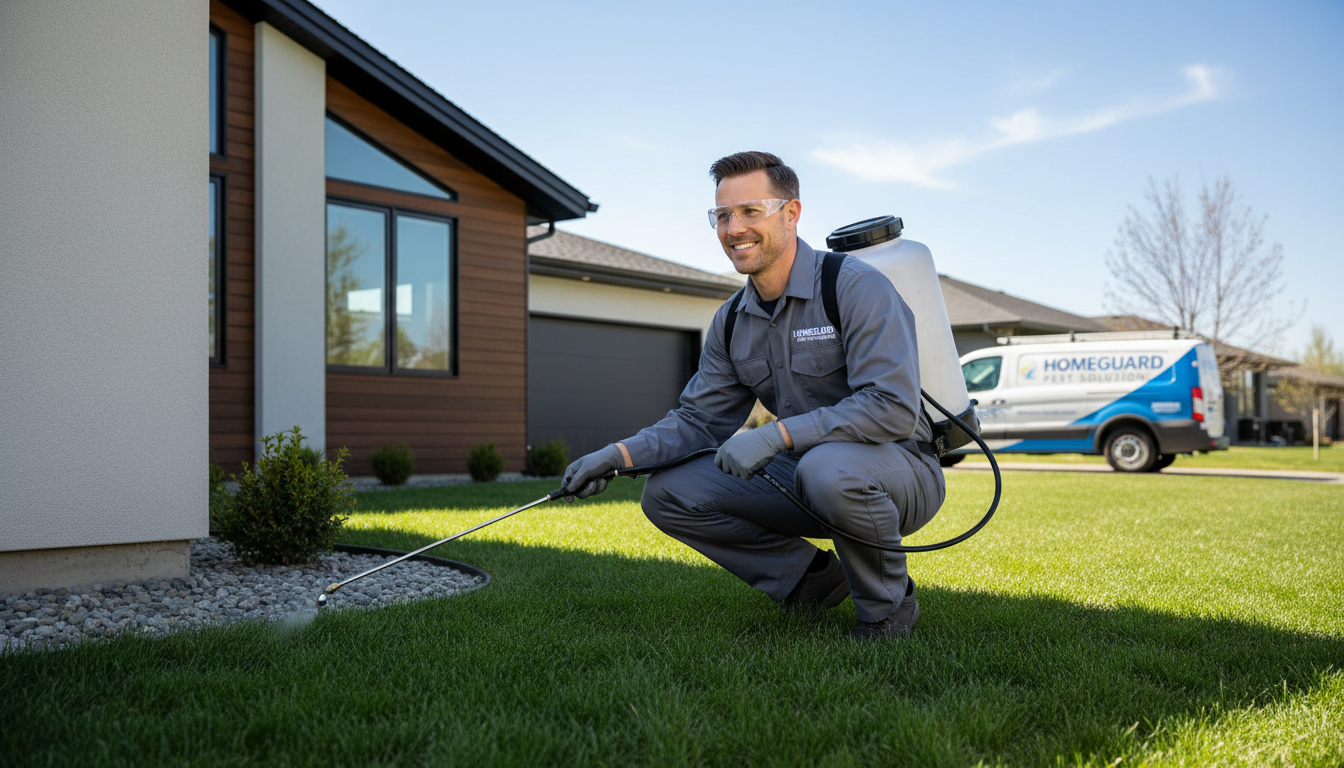
- Schedule your first professional treatment. A spring perimeter treatment creates a chemical barrier around your home's exterior that significantly reduces ant, spider, roach, and other pest entry for 60–90 days.
- Check for termite swarmers. Winged termites emerging inside your home (especially near windows and light sources) between March and May indicate an active colony in or near the structure. This is urgent — call a professional immediately.
- Clean gutters and grade drainage away from the foundation. Standing water and wet soil against the foundation attract termites, ants, mosquitoes, and roaches. Ensure gutters drain at least 4 feet from the foundation.
- Trim vegetation back from the house. Tree branches touching the roof are highways for squirrels, ants, and roaches. Shrubs touching the siding create moisture and harborage. Maintain at least 12 inches of clearance.
- Inspect the attic. Look for signs of overwintering pests: stink bugs in window frames, mouse droppings or nesting, wasp nests from the previous year, bat guano.
Your First Summer (June–August)
- Maintain your quarterly pest service — summer is peak activity for most pests.
- Address mosquitoes. Eliminate standing water: birdbaths (refresh weekly), clogged gutters, plant saucers, kids' toys that collect water, tarps and covers. A single bottle cap of standing water can breed mosquitoes.
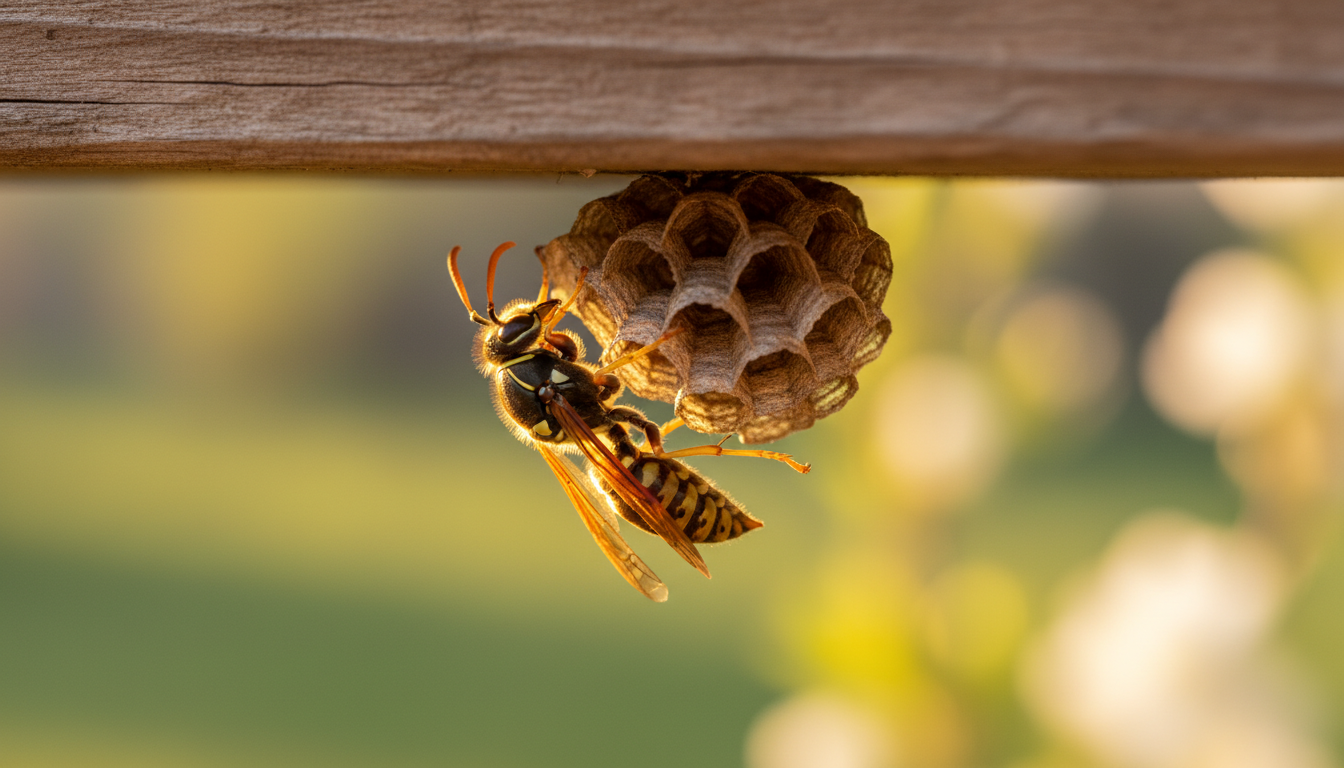
- Watch for wasp nests. Check under eaves, inside the grill, in the mailbox, and around playground equipment every 2–3 weeks. Early nests are small and easy to handle.
- Store firewood properly: at least 20 feet from the house and elevated off the ground. Firewood stacked against the house is a termite superhighway.
- Check window and door screens. Repair any tears or holes — screens are your first line of defense against flying insects.
Your First Fall (September–November)
- Fall is exclusion season. As temperatures drop, rodents, spiders, stink bugs, and other pests look for warm shelter. Re-inspect all the entry points you checked in spring and re-seal as needed.
- Set up rodent monitoring. Place snap traps in the garage, attic, and basement along walls. Check weekly. Early detection of mouse activity prevents a full infestation.
- Clean up the yard. Rake leaves away from the foundation (leaf litter provides harborage for overwintering pests). Remove fallen fruit. Cut back perennials that have died back.
- Inspect and seal the attic. Before cold weather drives pests indoors, check attic entry points, ridge vents, and gable vents for gaps. A squirrel or raccoon in your attic in January is much harder to deal with than sealing the entry in October.
Your First Winter (December–February)
- Monitor for indoor pest activity. Mice and rats are most active indoors during winter. Signs to watch for: droppings (small dark pellets), gnaw marks on food packaging, scratching sounds in walls or ceilings at night.
- Check stored items. Cardboard boxes in attics, basements, and garages attract roaches and silverfish and provide nesting material for mice. Switch to plastic bins with tight lids.
- Maintain your service plan. Winter treatments focus on interior perimeter and monitoring stations. Do not cancel your plan for winter — this is when rodent prevention is most important.
- Inspect plumbing. Dripping pipes and condensation create the moisture that overwintering pests depend on. Fix leaks promptly.
What to Budget for Pest Control
As a new homeowner, here is a realistic first-year pest control budget:
- Initial inspection: $0–$150 (often free with service signup)
- Initial treatment: $200–$400
- Quarterly maintenance plan: $160–$280/year
- Termite inspection + monitoring: $75–$150/year (highly recommended; may be required by your lender)
- DIY supplies (caulk, door sweeps, traps, bait stations): $50–$100
Total first-year estimate: $500–$1,100 — a fraction of what you will spend on a single pest emergency if problems go undetected.
Just bought a home and want to start off right? Get free quotes from licensed pest control professionals in your area on PestControlBoard. Describe your property and get competitive pricing for inspections and service plans.
Frequently Asked Questions
Should I get pest control even if I do not see any bugs?
Yes. The most damaging pests — termites, carpenter ants, and rodents — often cause significant damage before you notice visible signs. Termites can feed on a home for years before external evidence appears. Preventive pest control is like insurance: the cost is modest, and it protects against expensive surprises.
What did the previous owner not tell me about pests?
Common undisclosed issues include previous termite treatments (check for drill holes along the foundation interior or exterior), rodent activity in attics and crawl spaces, and carpenter bee damage to wood trim and fascia. A dedicated pest inspection will uncover most of these issues. If you discover undisclosed pest damage after closing, consult a real estate attorney about your options.
Is the pest control plan from my home warranty worth it?
Home warranty pest coverage is typically very limited — it may cover treatment for common pests but often excludes termites, bed bugs, wildlife, and pre-existing infestations. Read the fine print carefully. In most cases, a direct quarterly plan with a local pest control company provides better coverage at a comparable or lower price.
How do I find a reliable pest control company?
Start by checking the company's state license (required in all states). Look for membership in the National Pest Management Association (NPMA). Read online reviews, but focus on the company's response to negative reviews — that tells you more about their service quality than five-star ratings. Get quotes from at least 2–3 companies. Ask about guarantees, callbacks, and what is included in the plan versus what costs extra. Browse our directory of licensed pest control companies to find vetted professionals near you.
Related Articles

Why Pest Control Companies Are Booming: Industry Trends for 2026
Key Takeaways The U.S. pest control industry generates over $24 billion in annual revenue and has ...
How Much Does Pest Control Cost in 2026? A Complete Pricing Guide
Key Takeaways The average one-time pest control treatment costs $150–$350, while quarterly service...
The Homeowner's Guide to Wasps, Hornets, and Yellow Jackets
Key Takeaways Spring is the ideal time to prevent wasp nests — queens are just starting to build, ...