
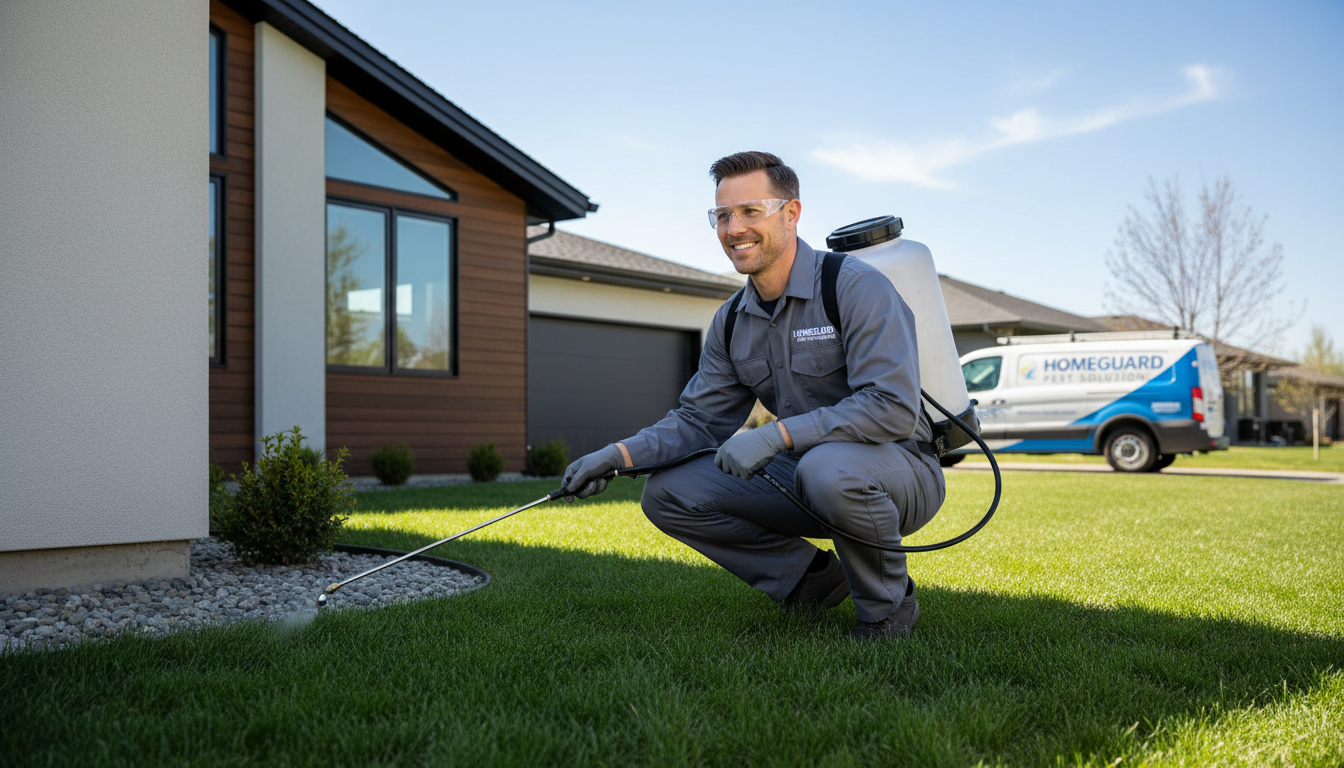
How Much Does Pest Control Cost in 2026? A Complete Pricing Guide
- The average one-time pest control treatment costs $150–$350, while quarterly service plans average $40–$70 per visit ($160–$280/year).
- Termite treatment is the most expensive common service, ranging from $500–$2,500+ depending on the method (liquid barrier vs. bait stations) and size of the infestation.
- Bed bug treatment costs $300–$1,500 per room, with heat treatment at the higher end but offering the fastest results.
- Wildlife removal (raccoons, squirrels, bats) costs $200–$800+ and often requires additional exclusion work to prevent re-entry.
- Getting 2–3 quotes from licensed companies is the single best way to ensure you are paying a fair price in your market.
Understanding pest control pricing helps you budget appropriately, compare quotes fairly, and avoid overpaying. Costs vary significantly based on the pest type, severity of infestation, treatment method, property size, and your geographic location. This guide breaks down what you should expect to pay in 2026 for the most common pest control services.
General Pest Control Pricing
Most pest control companies offer two service models: one-time treatments for active problems and ongoing service plans for year-round prevention.
One-Time Treatments
| Service | Average Cost | Notes |
|---|---|---|
| Initial inspection | $0–$150 | Many companies offer free inspections; some charge for detailed reports |
| General pest treatment (ants, spiders, roaches) | $150–$350 | Interior and exterior treatment for common pests |
| Flea/tick treatment | $150–$400 | May require 2–3 treatments spaced 2 weeks apart |
| Wasp/hornet nest removal | $100–$400 | Higher for difficult-access nests (roofline, underground) |
| Mosquito yard treatment | $75–$200 | Per treatment; seasonal plans often more economical |
Ongoing Service Plans
| Plan Type | Cost Per Visit | Annual Cost |
|---|---|---|
| Monthly | $30–$50 | $360–$600 |
| Bi-monthly (every 2 months) | $40–$60 | $240–$360 |
| Quarterly | $40–$70 | $160–$280 |
Quarterly plans are the most popular option. They typically include a more thorough initial treatment followed by maintenance visits that refresh exterior barriers and check for new activity. Most plans include free callbacks between scheduled visits if pests reappear.
Termite Treatment Costs
Termites are the most expensive common pest to treat because of the scope of treatment required and the stakes involved — untreated termite damage averages $3,000–$8,000 in structural repairs, with severe cases exceeding $20,000.
| Treatment Method | Cost Range | Best For |
|---|---|---|
| Liquid barrier (e.g., Termidor) | $500–$2,000 | Active infestations; creates a continuous treated zone around the foundation |
| Bait stations (e.g., Sentricon) | $1,200–$3,500 (install + first year) | Ongoing monitoring and prevention; annual monitoring $200–$400/year after install |
| Spot treatment (localized) | $200–$600 | Small, contained infestations in accessible areas |
| Fumigation (tent) | $1,200–$2,500+ (per 1,000 sq ft) | Severe or drywood termite infestations throughout the structure |
Most termite warranties require annual inspections ($75–$150/year) to remain valid. This is generally worth it — a warranty that covers re-treatment or damage repair can save thousands if termites return.
Bed Bug Treatment Costs
Bed bug treatment is priced per room or per affected area rather than per property because the scope varies so widely.
| Method | Cost Per Room | Pros/Cons |
|---|---|---|
| Chemical treatment | $300–$700 | Lower cost; requires 2–3 treatments over 4–6 weeks |
| Heat treatment | $800–$1,500 | One-day treatment; kills all life stages; higher cost |
| Combination (heat + chemical) | $1,000–$1,500 | Most thorough; provides residual protection after heat treatment |
Whole-home bed bug treatment for a severe infestation across multiple rooms can reach $3,000–$6,000+. Early detection and treatment of a single room is dramatically less expensive — another reason to call a professional as soon as you suspect bed bugs rather than waiting.
Rodent Control Costs
Rodent control involves two phases: elimination (trapping and removing existing rodents) and exclusion (sealing entry points to prevent re-entry). Many homeowners underestimate the exclusion cost.
- Trapping and removal: $150–$500 (depends on number of traps and follow-up visits)
- Exclusion work: $400–$2,000+ (sealing all entry points: gaps in foundation, pipe penetrations, soffit gaps, roof intersections)
- Dead rodent removal from walls: $150–$400 (may require cutting drywall)
- Cleanup and sanitization: $200–$600 (attic insulation replacement after infestation can cost $1,500–$5,000+)
A mice problem that seems like a $200 fix often totals $600–$1,200 when you include proper exclusion — but skipping the exclusion step virtually guarantees the mice will return.
Wildlife Removal Costs
| Animal | Removal Cost | Exclusion/Repair Cost |
|---|---|---|
| Raccoons | $200–$600 | $300–$1,500 (soffit/roof repair) |
| Squirrels | $200–$500 | $400–$1,200 (sealing attic entry) |
| Bats | $300–$800 | $500–$2,000+ (one-way exclusion + sealing) |
| Birds (in vents/chimney) | $100–$300 | $150–$500 (vent screens, chimney cap) |
| Skunks | $250–$500 | $300–$1,000 (deck/porch exclusion) |
What Factors Affect Pricing?
If your quote seems higher or lower than these ranges, here is what may explain the difference:
- Property size: Larger homes and lots require more product, more time, and more linear feet of treatment. A 3,000 sq ft home will cost more to treat than a 1,200 sq ft apartment.
- Infestation severity: A single wasp nest costs less than treating a home with multiple nests. A few mice droppings in the garage costs less than an attic full of rodent activity.
- Access difficulty: Crawl spaces, high rooflines, and in-wall nests require more time and specialized equipment.
- Geographic location: Pest control costs are 20–40% higher in major metro areas (New York, San Francisco, Boston) compared to smaller markets. Southern states with year-round pest pressure tend to have more competitive pricing due to higher provider density.
- Company type: National chains (Terminix, Orkin) tend to price higher but offer standardized service and transferable warranties. Local and regional companies often offer lower prices with more personalized service.
How to Get the Best Value
- Get 2–3 quotes. Prices vary by 30–50% between companies for the same service. Always compare.
- Ask about guarantees. A slightly more expensive company that guarantees results and provides free callbacks is usually better value than a cheaper one without guarantees.
- Check licensing. Every state requires pest control operators to be licensed. Ask for their license number and verify it.
- Read reviews. Price matters, but so does the quality of the work. A $150 treatment that does not solve the problem is more expensive than a $300 treatment that does.
- Consider annual plans for prevention. If you live in an area with consistent pest pressure, an annual plan ($160–$280/year) is almost always cheaper than calling for one-time treatments multiple times per year.
Want to compare prices from local pest control companies? Get free quotes on PestControlBoard — describe your pest issue and receive competitive quotes from licensed professionals in your area.
Frequently Asked Questions
Is pest control worth the money?
For active infestations, yes — the cost of treatment is almost always less than the cost of the damage pests cause if left untreated. Termites average $3,000+ in structural repairs. Rodents cause electrical fires by chewing wiring. Even "nuisance" pests like cockroaches have documented health effects. For preventive plans, the calculus depends on your location and pest history — but most homeowners in the southern half of the U.S. will save money with an annual plan versus ad-hoc treatments.
Why do pest control quotes vary so much between companies?
The pest control industry has low barriers to entry in some states, which means wide variation in experience, equipment, and product quality. National companies have higher overhead (marketing, corporate structure) that gets built into pricing. Differences in what is included also matter — one quote might include follow-up visits while another charges extra. Always compare based on total cost including follow-ups, not just the initial visit price.
Can I negotiate pest control prices?
Yes. Pest control is a competitive industry, and most companies have pricing flexibility, especially for annual contracts or multi-service bundles. Mentioning a competitor's lower quote often results in a price match or a discount. Signing up for a quarterly plan instead of a one-time treatment also typically reduces the per-visit cost by 20–40%.
Should I choose a local company or a national chain?
Both have advantages. National chains offer brand recognition, standardized training, and transferable warranties (useful if you sell your home). Local companies often provide lower prices, faster response times, more personalized service, and deeper knowledge of regional pest patterns. For most residential situations, a well-reviewed local company is a strong choice.
Related Articles
Why Pest Control Companies Are Booming: Industry Trends for 2026
Key Takeaways The U.S. pest control industry generates over $24 billion in annual revenue and has ...
Pest Control for New Homeowners: Your First-Year Checklist
Key Takeaways Schedule a professional pest inspection within the first 30 days of homeownership — ...
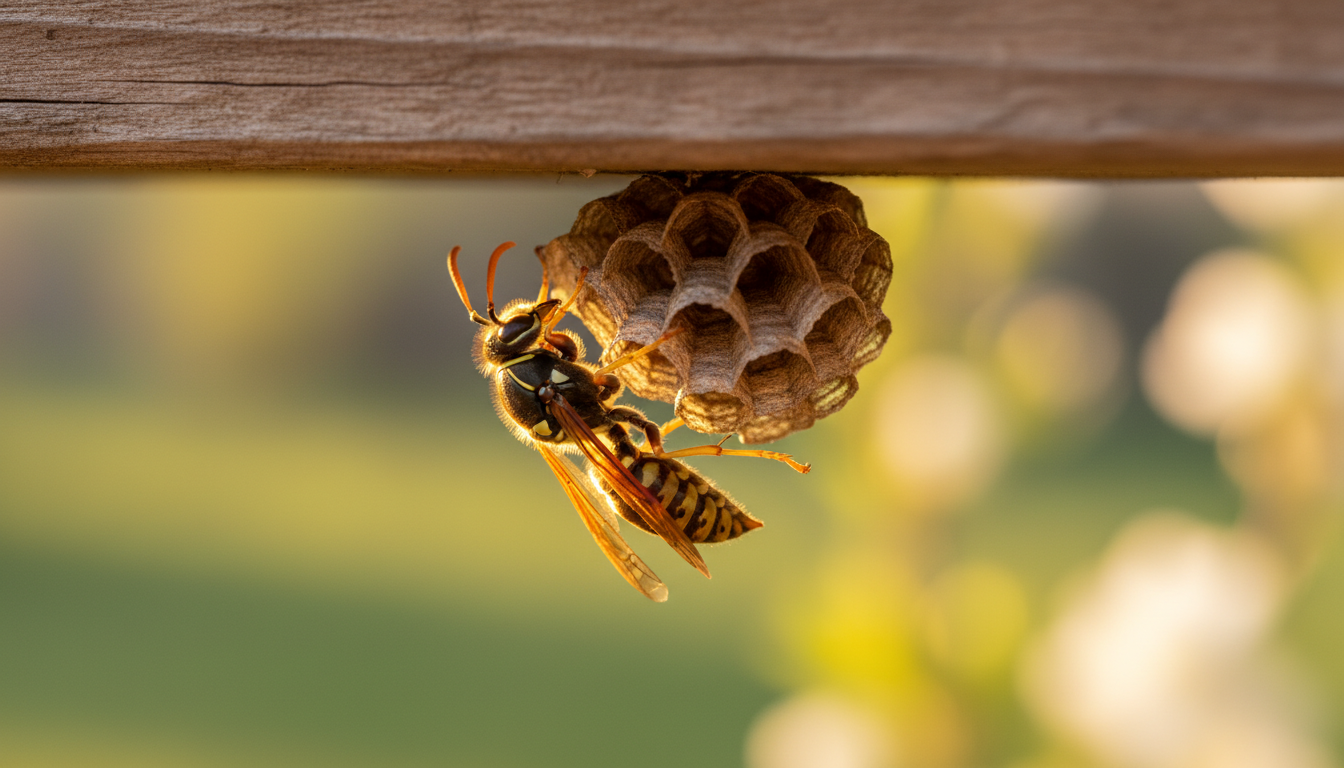
The Homeowner's Guide to Wasps, Hornets, and Yellow Jackets
Key Takeaways Spring is the ideal time to prevent wasp nests — queens are just starting to build, ...