
How to Pest-Proof Your Home: A Room-by-Room Checklist
- Most pest entry points are structural — gaps, cracks, and poor seals — and can be fixed without professional help.
- The kitchen, bathroom, and basement are the three highest-risk rooms in any home.
- Eliminating food, water, and shelter is more effective than any spray or trap.
- A seasonal walk-around of your home's exterior is the single most cost-effective pest prevention habit you can build.
- If you spot signs of termites, rodents in walls, or a recurring infestation after DIY attempts, it's time to call a licensed pest control professional.
Every homeowner deals with pests at some point. Whether it's ants marching across the kitchen counter in July, a mouse scratching inside the walls in November, or cockroaches appearing under the bathroom sink, unwanted visitors are a near-universal frustration.
The good news: most pest infestations are preventable. Pests don't appear out of nowhere — they follow food, water, warmth, and easy entry points directly into your home. Cut off those pathways and you eliminate the invitation.
This room-by-room checklist walks you through every major area of your home, giving you specific, actionable steps you can take this weekend to dramatically reduce your risk of infestation.
Kitchen: The Highest-Risk Room in Your Home
The kitchen is ground zero for pest activity. It offers everything pests want — food, water, warmth, and darkness under appliances. A few targeted habits here will cut your overall infestation risk more than anywhere else in the house.
Food Storage
- Store all dry goods in airtight containers. Cardboard boxes and paper bags are not barriers — they're invitations. Use glass or thick plastic containers with locking lids for flour, sugar, cereal, rice, and pet food.
- Never leave fruit sitting on the counter past ripeness. Overripe fruit attracts fruit flies within hours.
- Empty and rinse recyclables (cans, bottles, jars) before putting them in your bin. Rinse your recycling bin itself monthly.
Cleanliness Habits
- Wipe down stovetop burners and drip pans after every use. Grease is a long-term food source for cockroaches.
- Sweep or vacuum the floor daily, paying special attention to corners and beneath the refrigerator and stove.
- Empty your kitchen trash every night, or use a bin with a tight-fitting lid.
- Clean behind and under the refrigerator at least twice a year — it accumulates crumbs and the warm motor attracts cockroaches.
Structural Fixes
- Inspect the gap where plumbing pipes enter the wall under your sink. Stuff steel wool into gaps larger than a quarter inch, then seal with caulk. Mice can squeeze through a dime-sized opening.
- Check door sweeps on exterior doors leading from the kitchen. Replace any sweep with visible daylight showing underneath.
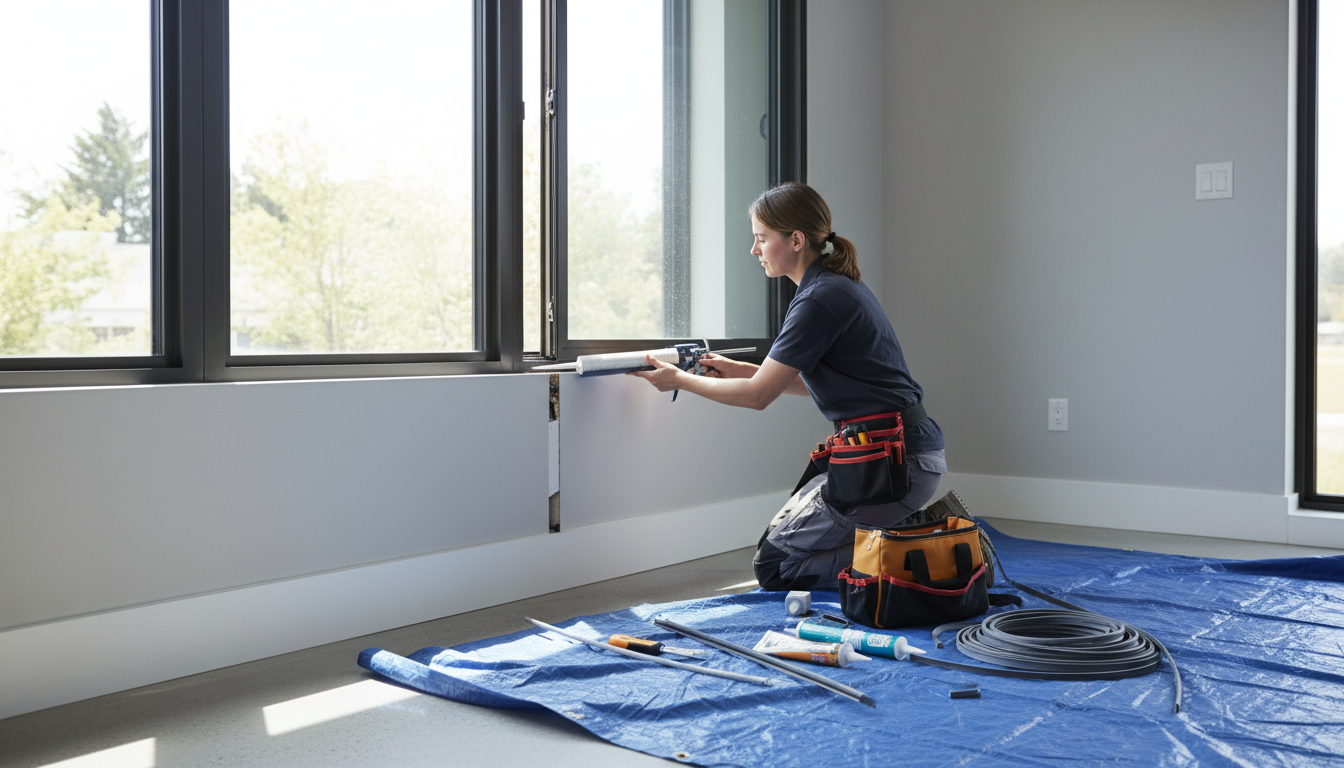
- Look for gaps where the backsplash meets the countertop or wall, and caulk them. These are prime cockroach harborage sites.
Bathroom: A Moisture Magnet for Pests
Bathrooms offer the one resource most often overlooked in pest prevention: standing water and chronic moisture. Cockroaches, silverfish, and drain flies all thrive in humid environments with access to drains.
Moisture Control
- Run the exhaust fan during and for 15 minutes after every shower or bath. If you don't have a fan, crack a window.
- Fix dripping faucets and slow drains immediately. A faucet dripping once per second provides a significant water source for insects.
- Check under-sink plumbing monthly for slow leaks. Even minor moisture on cabinet wood can foster silverfish populations.
Drain Maintenance
- Clean hair and soap scum from drain stoppers weekly. Organic buildup inside drains is the primary breeding site for drain flies.
- Pour a pot of boiling water down bathroom drains monthly. This disrupts biofilm that drain fly larvae feed on.
- Use a drain cover with fine mesh to block entry from drain-dwelling insects.
Structural Gaps
- Caulk the perimeter of the toilet base, tub surround, and sink where they meet the floor or wall. Gaps here are entry points and moisture traps.
- Check the cabinet beneath the sink for any pipe penetrations, and seal with expanding foam or caulk.
Basement: Where Rodents and Moisture-Loving Pests Settle In
Basements are particularly vulnerable because they're partially underground, often humid, infrequently visited, and full of clutter where pests can nest undisturbed. This is where mouse and rat infestations most commonly begin.
Entry Point Inspection
- Walk the entire perimeter of your basement foundation walls and look for cracks. Any crack wider than a credit card thickness should be sealed with hydraulic cement or masonry-rated caulk.
- Inspect every pipe, wire, and cable penetration where utilities enter the basement. Seal gaps with steel wool packed tightly, followed by foam or caulk over the top.
- Check basement windows. Replace worn weather stripping and ensure window well covers are secure and tight-fitting.
Moisture and Clutter Reduction
- Use a dehumidifier to keep basement humidity below 50%. This one step dramatically reduces populations of silverfish, centipedes, camel crickets, and mold mites.
- Never store cardboard boxes directly on a concrete floor. They absorb moisture and become ideal nesting material for rodents and cockroaches. Use plastic totes with lids instead.
- Keep stored items at least 6 inches off the floor and away from walls to reduce harborage.
- Remove any wood piles or debris stored in the basement — this is prime termite and carpenter ant territory.
Attic: The Silent Infestation Zone
Because attics are rarely visited, infestations there often go undetected for months or years. Squirrels, mice, rats, bats, and insects all use attics as sheltered nesting sites — and the damage they cause can be severe.
Access Point Audit
- Inspect your roofline for any gaps, missing fascia boards, or damaged soffit panels. These are the most common entry points for squirrels and rats.
- Check where your roof meets dormers, chimneys, or skylights. These transitions are common failure points.
- Ensure attic vents are covered with intact hardware cloth (1/4-inch wire mesh). Damaged or missing screens are open doors for birds, bats, and rodents.
Insulation and Nesting Signs
- Inspect insulation for matted-down areas, tunnels, or droppings. Rodents nest in and travel through insulation, compressing it and reducing its effectiveness.
- Look for gnaw marks on wood joists, wiring, or HVAC ductwork.
- Check for bat droppings (guano), which look like small, dark, crumbly pellets and accumulate directly below roosting spots.
Garage: An Overlooked Entry Corridor
Most homeowners think of the garage as a utility space, but from a pest's perspective, it's a warm, food-stocked corridor directly connected to the house. The garage door itself is one of the most common pest entry points in American homes.
Door and Seal Inspection
- Check the rubber bottom seal on your garage door. If it's cracked, brittle, or compressed flat, replace it. A worn seal leaves a gap along the entire door width.
- Inspect the side seals (astragal) and top seal for daylight gaps. Replace as needed.
- If there's a door connecting the garage to the house interior, treat it like an exterior door: install a door sweep, weather stripping, and make sure it closes and latches fully.
Storage Practices
- Do not store birdseed, grass seed, or pet food in the garage unless it's in a sealed metal or heavy plastic container. These are primary rodent attractants.
- Keep trash cans with tight-fitting lids, and rinse them monthly.
- Store firewood outside and away from the house — never in the garage. Firewood is a transit vehicle for termites, ants, and spiders.
Bedrooms: Low Risk, but Not Zero Risk
Bedrooms are lower risk than kitchens or basements, but they're not immune — particularly when it comes to bed bugs and stored-food pests in closets.
Bed Bug Prevention
- Use mattress encasements on your mattress and box spring. These zip-close covers eliminate the seams and crevices where bed bugs prefer to harbor.
- After any travel, inspect luggage before bringing it inside. Launder all clothing on high heat immediately.
- Inspect secondhand furniture — especially upholstered items and bed frames — carefully before bringing them into your home. Look for small reddish-brown bugs, dark fecal spots, or shed skins in seams and joints.
Closets
- Use cedar blocks or lavender sachets in closets. Cedar naturally repels clothes moths and carpet beetles.
- Store off-season clothing in sealed plastic bins rather than cardboard boxes.
- Vacuum closet floors and corners seasonally, including along the baseboard where carpet beetle larvae feed.
Living Areas: Clutter, Cracks, and Hidden Harborage
Living rooms, dining rooms, and hallways present pest risks primarily through structural entry points along baseboards and windowsills, and through clutter that creates harborage for cockroaches, spiders, and rodents.
- Caulk gaps along baseboards, especially where the baseboard meets the floor. These seams run the entire perimeter of every room and are primary cockroach pathways.
- Inspect all window frames for gaps in caulk or worn weather stripping. Replace as needed.
- Reduce clutter — particularly stacks of magazines, newspapers, or cardboard — which serve as shelter for cockroaches and hiding spots for spiders.
- Vacuum regularly, including along edges and under furniture. Carpet beetle and flea larvae feed on pet dander and dead skin cells accumulated in carpet fibers.
- If you have a fireplace, install a chimney cap with mesh sides. Uncapped chimneys are entry points for birds, squirrels, and bats.
Exterior: Your First and Most Important Line of Defense
No amount of interior pest-proofing fully compensates for a poorly sealed exterior. The outside of your home determines what pests have a chance to get in at all. A thorough exterior inspection twice a year — spring and fall — is the single most valuable pest prevention habit you can build.
Foundation and Walls
- Walk your entire foundation and mark any cracks with a pencil. Return with hydraulic cement or masonry caulk and seal everything.
- Check where siding meets the foundation. This transition is prone to gaps and is a prime mouse entry zone.
- Maintain a 12–18 inch vegetation-free zone around your foundation. Mulch, ground cover, and shrubs touching the house provide a hidden highway and moisture source for ants, termites, and rodents.
Drainage and Moisture
- Keep gutters clean and flowing freely. Clogged gutters cause water to overflow and saturate the soil next to your foundation, attracting moisture-loving pests.
- Ensure downspouts discharge water at least 3 feet away from the foundation.
- Eliminate any standing water on your property — birdbaths, buckets, clogged drains, and low spots in the yard all breed mosquitoes within days.
Landscaping and Wood
- Keep firewood stacked at least 20 feet from the house and elevated off the ground on a rack.
- Trim tree branches that overhang or touch the roofline — these are bridges for squirrels and rats to access your roof.
- Remove dead stumps and decaying wood from your property. They are prime termite colonization sites.
When to Call a Licensed Pest Control Professional
DIY prevention goes a long way, but there are situations where professional intervention isn't just recommended — it's necessary. Attempting to treat certain infestations without proper equipment and training can make them worse or expose your family to unnecessary pesticide risk.
Call a licensed pest control professional if you encounter any of the following:
- Termites or termite signs — mud tubes along your foundation, hollow-sounding wood, or swarmers (winged insects) emerging indoors in spring. Termites cause billions in structural damage annually and require targeted treatment protocols.
- Rodents inside walls or the ceiling. If you hear scratching or gnawing sounds inside structural cavities, traps alone rarely solve the problem. A professional will locate entry points, eliminate the population, and seal the structure.
- Bed bug infestations. Bed bugs are extraordinarily difficult to eliminate with retail products. Professional heat treatment or targeted pesticide protocols are almost always required.
- Recurring infestations despite DIY efforts. If the same pest keeps coming back, there's an entry point or harborage site you haven't found. A professional inspection will locate it.
- Wildlife in the attic (squirrels, raccoons, bats). Many of these situations involve legal considerations around removal methods and timing, and all require proper exclusion work to prevent re-entry.
- Stinging insect nests inside walls or in difficult-to-access locations. Large wasp and hornet nests present a serious health risk to anyone who disturbs them.
A qualified local pest control company will perform a thorough inspection, correctly identify the pest species involved, and recommend a targeted treatment plan — rather than a broad chemical spray that misses the root cause. Find licensed pest control companies in your area.
Conclusion: Prevention Is Always Cheaper Than Treatment
Pest-proofing your home is not a one-time project — it's an ongoing habit. The most effective pest control programs combine structural exclusion, moisture management, sanitation, and regular monitoring. None of those require expensive products or professional help to maintain.
Spend a weekend working through this checklist room by room. Caulk the gaps. Seal the pipe penetrations. Fix the leaking faucet. Move the firewood away from the house. These small, inexpensive actions compound over time into a home that is genuinely difficult for pests to invade.
And when prevention falls short — because sometimes it does — don't wait. The longer an infestation is left to grow, the more difficult and costly it becomes to resolve. Finding a trusted local pest control professional early makes all the difference.
Related Articles

Why Pest Control Companies Are Booming: Industry Trends for 2026
Key Takeaways The U.S. pest control industry generates over $24 billion in annual revenue and has ...

Pest Control for New Homeowners: Your First-Year Checklist
Key Takeaways Schedule a professional pest inspection within the first 30 days of homeownership — ...
How Much Does Pest Control Cost in 2026? A Complete Pricing Guide
Key Takeaways The average one-time pest control treatment costs $150–$350, while quarterly service...