
Pest Control for Renters: Your Rights, Your Landlord's Responsibilities
- The implied warranty of habitability — recognized in nearly every state — generally requires landlords to maintain pest-free living conditions.
- Specific pest control responsibilities vary significantly by state and city; New York, Chicago, and several other jurisdictions have explicit ordinances placing bed bug treatment responsibility on landlords.
- Documentation is critical: photos, written complaints, dated records, and receipts strengthen a tenant's position in any dispute.
- In most states, tenants may be responsible for pest issues directly caused by their own actions (e.g., severe uncleanliness, bringing in infested furniture).
- Renters who pay for pest control out of pocket due to landlord inaction may be able to deduct costs from rent in some jurisdictions — but specific legal requirements must be followed.
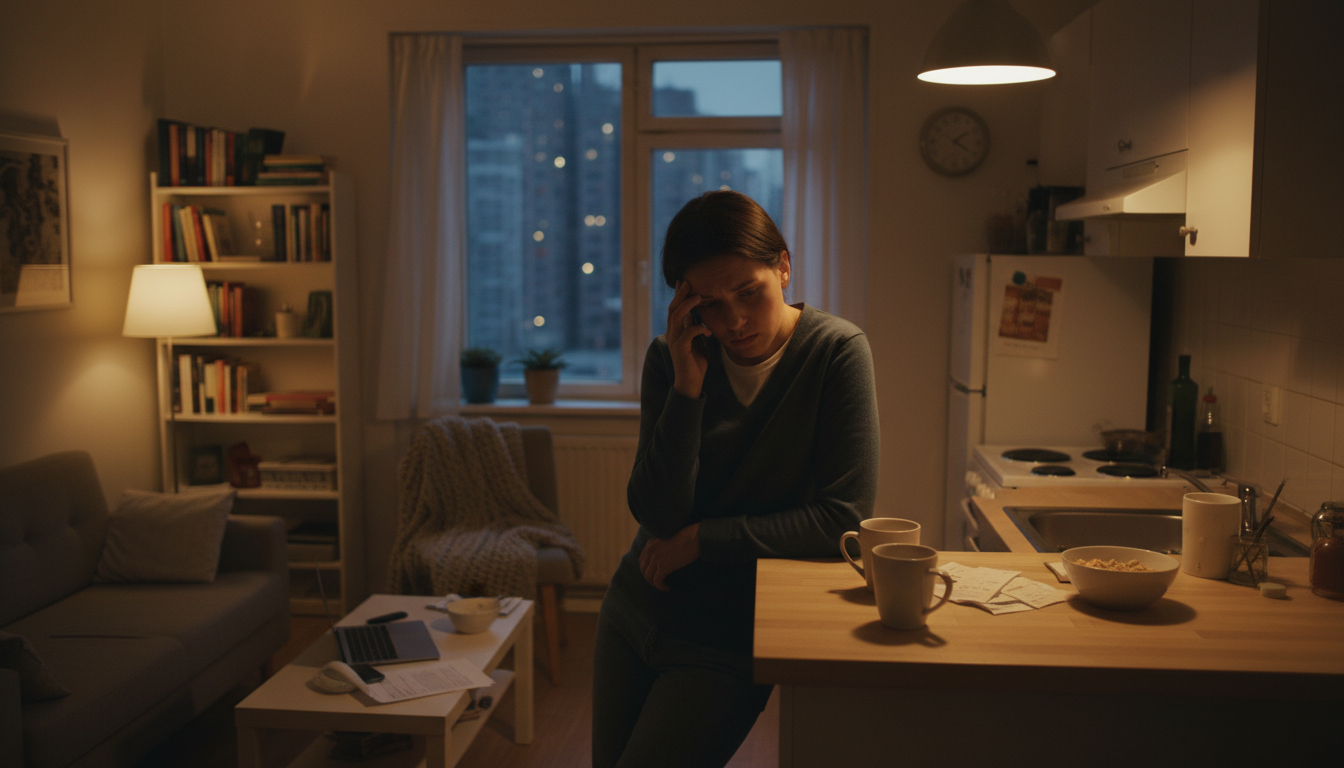
Pest infestations in rental housing create a uniquely frustrating situation. The tenant is living with the problem, but the property belongs to someone else. Who pays for treatment? Who is responsible for prevention? What happens when a landlord won't respond? The answers depend on state law, local ordinances, and sometimes the specific language of the lease.
Understanding the legal framework doesn't require a law degree — but it does require knowing a few key concepts and how they apply in different jurisdictions.
The Legal Foundation: Warranty of Habitability
Nearly every U.S. state recognizes an implied warranty of habitability — a legal principle that requires landlords to maintain rental properties in a condition fit for human habitation. While the specific standards vary by state, pest infestations that affect health or safety generally fall within this warranty.
Key points about the warranty of habitability:
- It exists regardless of what the lease says — landlords cannot waive it through lease language in most states
- It covers conditions that materially affect health, safety, or livability
- Cockroach infestations, rodent problems, and bed bugs are commonly considered habitability issues
- The standard is not perfection — an occasional ant or spider does not typically constitute a violation
State and City Variations
While the general principle favors tenant protection, the specifics vary widely:
| Jurisdiction | Key Provision |
|---|---|
| New York City | Landlords must provide bed bug disclosure and treatment history. Bedbug treatment is landlord's responsibility regardless of cause. |
| Chicago | RLTO requires landlords to maintain premises free from infestations. Bed bug treatment is explicitly the landlord's obligation. |
| California | Civil Code 1941.1 requires landlords to maintain buildings and grounds free from debris, filth, rubbish, garbage, rodents, and vermin. |
| Maine | Comprehensive bed bug law: landlords must treat within 5 days of notification and cannot charge tenants for treatment. |
| Florida | Statute 83.51 requires landlords to comply with building and housing codes that affect health and safety, including pest control. |
| Texas | Property Code requires habitability but does not specifically mandate pest control; lease terms and local codes apply. |
When the Tenant May Be Responsible
Landlord obligations are not absolute. In most jurisdictions, tenants may be held responsible for pest issues when:
- The infestation was caused by the tenant's actions — severe uncleanliness, hoarding, or failure to dispose of garbage
- The tenant brought infested items into the unit — used furniture, mattresses, or belongings from an infested location
- The tenant failed to report the issue promptly — unreasonable delay in notifying the landlord can shift partial responsibility
- The lease explicitly assigns pest responsibility to the tenant — enforceable in some states for single-family rentals, but often unenforceable in multi-unit buildings
How to Handle a Pest Problem as a Renter
Step 1: Document everything
Before contacting the landlord, gather evidence:
- Photograph pest sightings, droppings, damage, and entry points with timestamps
- Note dates, times, and locations of sightings
- Save any evidence of bites or health effects
- Keep a log of conditions that may be contributing (plumbing leaks, unsealed entry points)
Step 2: Notify the landlord in writing
Verbal reports are difficult to prove. Send a written notice (email or letter) that includes:
- Description of the pest problem with specific details
- Date the problem was first noticed
- Request for professional pest control treatment
- A reasonable deadline for response (typically 14–30 days, depending on state law)
Step 3: Follow up and escalate if needed
If the landlord does not respond within the legally required timeframe:
- Contact local code enforcement or the health department — they can inspect and issue violations
- Contact a tenant's rights organization — many cities have free legal aid for housing issues
- Consider "repair and deduct" — in some states, tenants can hire pest control, pay out of pocket, and deduct the cost from rent, but specific procedural requirements must be followed exactly
- File a complaint with the state attorney general's office if the landlord's failure constitutes a pattern
Step 4: Know the limits of withholding rent
Rent withholding is legally available in some states as a remedy for habitability violations, but it is not available everywhere and almost always requires following specific legal procedures (such as placing rent in escrow). Withholding rent without following the proper procedure can result in eviction proceedings even if the pest complaint is legitimate.
Multi-Unit Building Considerations
Pest problems in apartments and condominiums present unique challenges:
- Bed bugs, cockroaches, and rodents travel between units through wall voids, plumbing chases, and electrical conduit
- Treating one unit without treating neighboring units often results in reinfestation
- Building-wide treatment is the most effective approach, but requires landlord coordination
- One tenant's inaction can affect the entire building — many jurisdictions address this by placing responsibility on the landlord for building-wide coordination
Resources for Tenants
- Local tenant's rights organizations — search "[your city] tenant rights" for free legal resources
- Legal aid societies — provide free or low-cost legal representation for housing issues
- State attorney general's consumer protection division — handles complaints about landlord-tenant disputes
- Local health department — can inspect and document pest conditions for free
- HUD (U.S. Department of Housing and Urban Development) — for federally subsidized housing complaints
Dealing with pests as a renter is stressful, but the legal framework in most jurisdictions provides meaningful protections. The most important actions a tenant can take are documenting the problem thoroughly, communicating in writing, and understanding the specific laws that apply in their state and city.
Related Articles

Why Pest Control Companies Are Booming: Industry Trends for 2026
Key Takeaways The U.S. pest control industry generates over $24 billion in annual revenue and has ...

Pest Control for New Homeowners: Your First-Year Checklist
Key Takeaways Schedule a professional pest inspection within the first 30 days of homeownership — ...
How Much Does Pest Control Cost in 2026? A Complete Pricing Guide
Key Takeaways The average one-time pest control treatment costs $150–$350, while quarterly service...