

The Complete Guide to Mosquito Control for Your Yard
- Mosquitoes can breed in as little as a tablespoon of standing water, and a single female can lay 100–200 eggs every three days.
- West Nile virus infects approximately 2,000 Americans per year, with cases reported in nearly every state.
- Citronella candles reduce mosquito bites by only about 42% at best; ultrasonic repeller devices have been shown to have no effect in multiple controlled studies.
- BTI (Bacillus thuringiensis israelensis) is 95–100% effective against mosquito larvae and is considered safe for humans, pets, and beneficial insects.
- Professional barrier spray treatments cost $75–$150 per application and last 2–3 weeks, providing the most immediate reduction in adult mosquito populations.
Mosquitoes are more than a nuisance — they are the deadliest animal on Earth, responsible for more human deaths annually than any other creature. In the United States, the primary mosquito-borne disease threat is West Nile virus, which infects approximately 2,000 people per year according to the CDC, with cases documented in nearly every state. Eastern equine encephalitis, though rarer, carries a 30% fatality rate. And in southern states and territories, locally transmitted dengue and Zika cases have been reported in recent years.
Effective mosquito control doesn't require expensive technology or professional intervention for every yard — but it does require understanding mosquito biology and separating proven methods from products that simply don't work.
Mosquito Biology: Why They're So Hard to Control
A female mosquito needs a blood meal to produce eggs. After feeding, she can lay 100–200 eggs at a time, and she can repeat this cycle every 3 days throughout her 2–4 week lifespan. Eggs are deposited on or near standing water, and larvae can develop from egg to adult in as little as 7–10 days in warm conditions.
This rapid reproductive cycle means that even a small amount of standing water — literally a bottle cap's worth — can produce hundreds of mosquitoes over the course of a summer. This fact is the foundation of the most important mosquito control strategy: eliminating breeding habitat.
Step 1: Eliminate Standing Water (The Biggest Impact)
The single most effective mosquito control action any homeowner can take is eliminating sources of standing water. A thorough weekly inspection of the yard should target:
- Flower pot saucers — dump weekly or fill with sand to absorb excess water
- Bird baths — change water at least twice a week, or add a solar-powered fountain (moving water deters egg-laying)
- Clogged gutters — clean regularly; sagging gutters hold water that produces thousands of mosquitoes
- Tires, buckets, and containers — store upside down or under cover
- Tarps and covers — ensure pool covers and grill covers are taut and don't collect puddles
- Children's toys — wagons, sandbox toys, and play equipment that holds water
- Corrugated drain pipes — extend downspout pipes to drain fully; corrugated sections trap water
- Tree holes and stumps — fill with expanding foam or sand
- Low spots in the yard — improve drainage or grade to eliminate persistent puddles
Step 2: Treat Water That Can't Be Eliminated
Some water features — ponds, rain barrels, drainage ditches — can't be drained. For these, BTI (Bacillus thuringiensis israelensis) is the most effective and environmentally responsible option.
BTI is a naturally occurring soil bacterium that produces proteins toxic specifically to mosquito and black fly larvae. It has no effect on fish, birds, pets, bees, or other beneficial insects. EPA-registered BTI products include:
- Mosquito dunks ($10–$15 for 6-pack) — one dunk treats up to 100 sq ft of water surface for 30 days
- Mosquito bits ($10–$20 per bag) — granules that provide rapid kill within 24 hours; shorter residual than dunks
Studies consistently show BTI products achieving 95–100% larval mortality when used as directed. They are one of the most evidence-backed mosquito control tools available to homeowners.
What Actually Works Against Adult Mosquitoes
| Method | Effectiveness | Cost | Evidence |
|---|---|---|---|
| DEET-based repellent (20–30%) | High | $5–$12 | Decades of research; CDC-recommended |
| Picaridin repellent (20%) | High | $7–$15 | Comparable to DEET; less odor, doesn't damage plastics |
| Permethrin-treated clothing | High | $8–$15 per treatment | Kills mosquitoes on contact; lasts 6+ washes |
| Oscillating fans | Moderate-High | $25–$60 | Mosquitoes are weak fliers; wind >1 mph disrupts flight |
| Professional barrier spray | High | $75–$150/application | Treats vegetation where mosquitoes rest; lasts 2–3 weeks |
| Citronella candles | Low | $5–$20 | 42% bite reduction at best; only effective within 3 feet |
| Ultrasonic repellers | None | $10–$40 | Multiple studies show zero effectiveness; FTC has issued warnings |
| Bug zappers | Very Low | $20–$60 | Kill mostly beneficial insects; less than 1% of catch is mosquitoes |
Myth-Busting: What Doesn't Work
Ultrasonic repellers
Multiple peer-reviewed studies, including research published in the Journal of the American Mosquito Control Association, have found that ultrasonic devices have no measurable effect on mosquito behavior. The Federal Trade Commission (FTC) has taken enforcement action against companies making false claims about these products.
Bug zappers
A University of Delaware study found that of the insects killed by a residential bug zapper over an entire summer, less than 0.2% were mosquitoes. The vast majority were moths, beetles, and other beneficial insects.
Citronella candles
While citronella oil does have some repellent properties, candles produce too little vapor to be effective beyond a very small radius. Research shows at best a 42% reduction in bites — and only within a few feet of the candle. They are not a substitute for applied repellents.
"Mosquito-repelling" plants
Plants like citronella grass, lavender, and marigolds contain compounds that mosquitoes find unappealing, but simply growing them in the yard does not produce enough volatile compounds to repel mosquitoes. The repellent effect only works when the plant oils are extracted, concentrated, and applied to skin or clothing.
Professional Mosquito Control Services
For homeowners who want maximum reduction with minimal personal effort, professional mosquito control services offer several options:
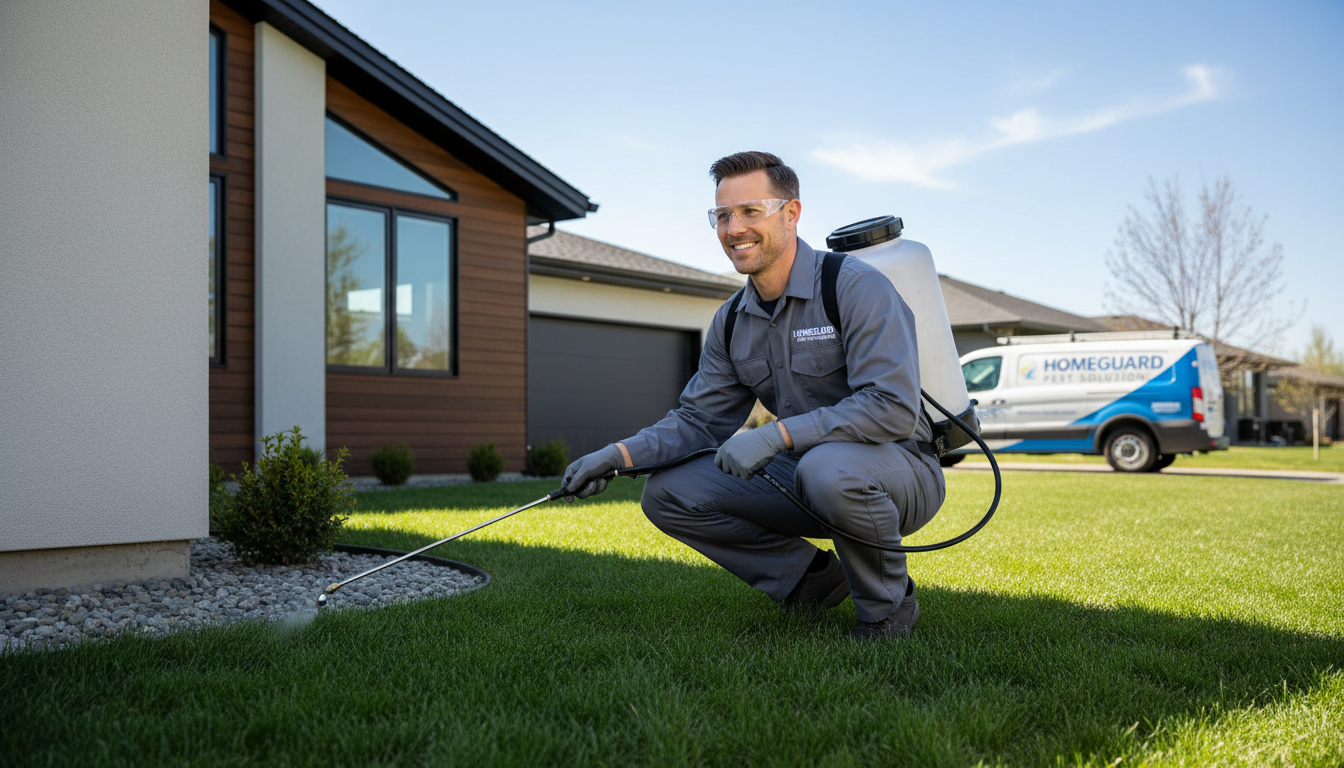
- Barrier spray programs ($75–$150 per treatment, every 2–3 weeks from April through October) — technicians spray residual insecticide on vegetation, fences, and shaded areas where mosquitoes rest during the day. This is the most popular residential service.
- Misting systems ($1,500–$3,000 installed, plus $30–$50/month for refills) — automated systems mounted around the yard perimeter that spray at timed intervals. Effective but require maintenance and raise environmental considerations about non-targeted insect kill.
- Larvicide programs ($100–$300 per season) — professionals apply BTI or similar larvicides to water features and drainage areas on a scheduled basis.
- Integrated programs ($500–$1,500 per season) — combine source reduction consultation, larviciding, and barrier sprays for comprehensive coverage.
The most effective approach to mosquito control combines habitat management (eliminating standing water), targeted larviciding (BTI in water that can't be drained), and personal protection (EPA-registered repellents). For outdoor entertainment areas and high-use yards, professional barrier sprays provide the most immediate and noticeable reduction in adult mosquito populations.
Related Articles

Why Pest Control Companies Are Booming: Industry Trends for 2026
Key Takeaways The U.S. pest control industry generates over $24 billion in annual revenue and has ...

Pest Control for New Homeowners: Your First-Year Checklist
Key Takeaways Schedule a professional pest inspection within the first 30 days of homeownership — ...
How Much Does Pest Control Cost in 2026? A Complete Pricing Guide
Key Takeaways The average one-time pest control treatment costs $150–$350, while quarterly service...