
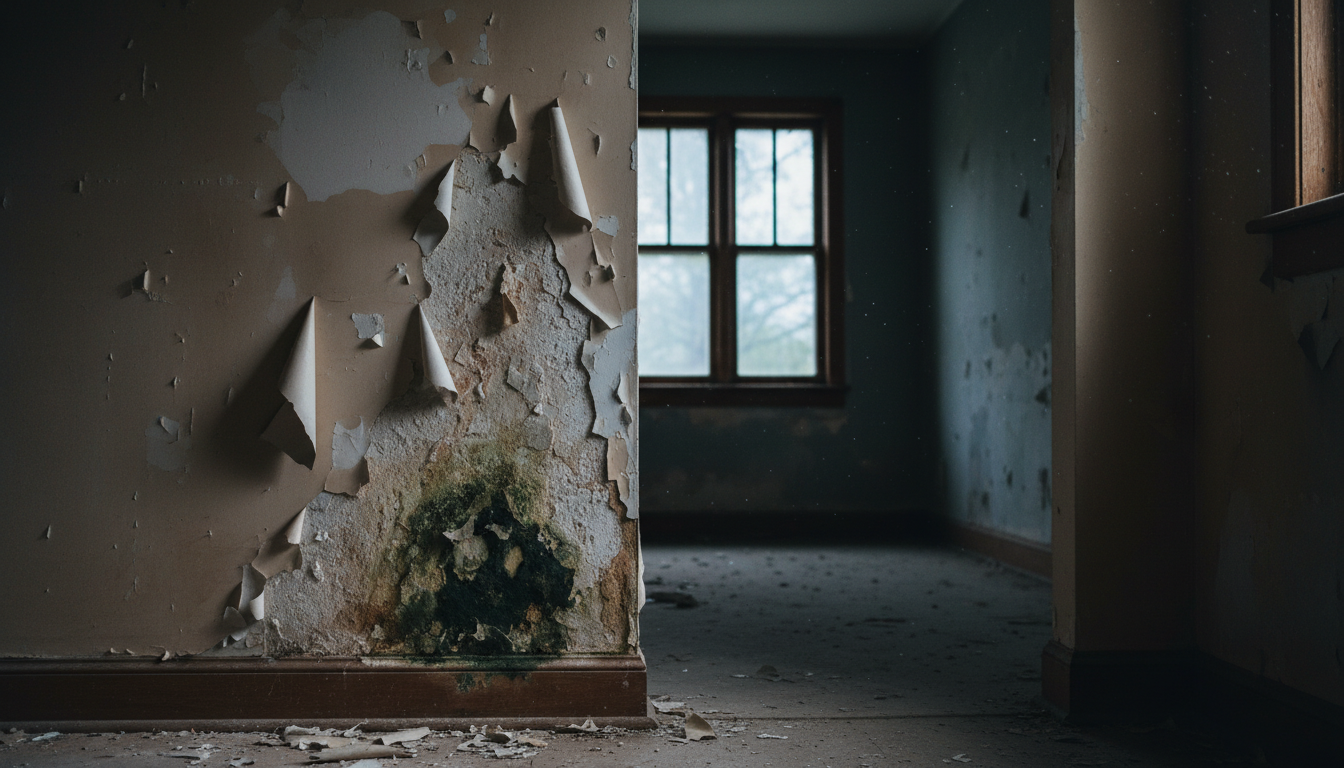
The Hidden Costs of Ignoring a Pest Problem: A Timeline of What Happens
- A single mouse can produce 50+ offspring within three months; a minor rodent sighting can become a full infestation in weeks.
- Termite damage typically goes undetected for 3–5 years, with average repair costs of $3,000–$8,000 by the time it's found.
- Cockroach allergens trigger asthma symptoms in approximately 26% of urban children (National Institute of Environmental Health Sciences).
- The cost of professional treatment at the first sign of pests is typically 5–10x less than the cost of treating an established infestation.
- Health costs from pest-related illness and allergies are rarely factored in, but can include emergency room visits, prescription medications, and chronic respiratory treatment.
When homeowners spot a single mouse, a few ants in the kitchen, or a cockroach in the bathroom, the most common initial response is to wait. It's natural to hope the problem resolves on its own or to underestimate the pace at which pests reproduce and spread. But pest biology is unforgiving — and the economics of delay consistently favor the pests.
This article traces the timeline of four common pest problems — rodents, termites, cockroaches, and bed bugs — from the first sign through one year of inaction, documenting how costs compound at each stage.
Rodents: From One Mouse to Fifty in 90 Days
Week 1: The first sighting
A single mouse is spotted in the kitchen at night. Droppings are found behind the stove. Most homeowners set a snap trap or two and assume the problem is isolated.
Cost at this stage: A professional inspection and basic exclusion treatment runs $150–$300. A few snap traps from a hardware store cost $5–$15.
Month 1: The colony establishes
Mice reproduce rapidly. A female mouse reaches sexual maturity at 6 weeks and can produce a litter of 5–12 pups every 3 weeks. One pair of mice can theoretically produce 50+ offspring within three months. Droppings appear in cabinets, pantry items are chewed, and scratching sounds are heard in walls at night.
Cost at this stage: Professional trapping and exclusion service: $300–$600. Contaminated food replacement: $50–$200.
Month 6: Structural and health damage begins
The colony is now well-established. Mice are nesting in wall insulation, attic spaces, and under appliances. Urine and droppings contaminate insulation and surfaces. Wiring damage becomes a concern — the Insurance Information Institute reports that rodents chewing electrical wiring are responsible for an estimated 20–25% of fires with undetermined causes.
Cost at this stage: Professional rodent removal + exclusion: $500–$1,500. Insulation replacement: $1,000–$3,000. Electrical inspection: $200–$400.
Year 1: Full remediation
A year of unchecked rodent activity can result in extensive contamination of insulation, ductwork, and stored items. Hantavirus risk in some regions (particularly the Southwest) adds a public health dimension. Health department involvement may be triggered in rental properties.
Total estimated cost at 1 year: $2,500–$8,000+
Termites: The Silent Wealth Destroyer
Year 0: Invisible arrival
Subterranean termites enter through mud tubes in foundation cracks, plumbing penetrations, or direct wood-to-soil contact. There are no visible signs. A colony can forage up to 300 feet from the nest and can enter through a crack as small as 1/32 of an inch.
Cost if caught now: Spot treatment $225–$500.
Years 1–2: Feeding accelerates
A mature subterranean termite colony of 60,000+ workers can consume approximately 5 grams of wood per day — roughly the equivalent of 2.3 linear feet of a standard 2x4 per year. Damage is occurring inside structural members but is completely invisible from the exterior.
Years 3–5: Discovery
Most termite infestations are discovered at this stage, often during a renovation, home sale inspection, or when visible signs finally appear (swarmers, hollow-sounding wood, buckling floors). By this point, significant structural framing is compromised.
Average repair cost at discovery: $3,000–$8,000. Severe cases involving multiple structural members: $15,000–$30,000+.
Annual prevention contract that would have prevented this: $150–$400/year.
Cockroaches: The Chronic Health Hazard
Week 1: One cockroach in the bathroom
The appearance of a single German cockroach typically indicates a larger population is already present. These insects are nocturnal — seeing one during the day suggests overcrowding in harborage areas.
Cost if treated now: Professional gel bait treatment: $100–$250.
Month 3: Population explosion
A single female German cockroach produces an egg case (ootheca) containing 30–48 eggs every 6 weeks. In favorable conditions, one female can be responsible for 300+ offspring per year. Multiple generations overlap, and the population grows exponentially.
Month 6: Health impacts manifest
Cockroach allergens — found in droppings, shed skins, and saliva — accumulate in household dust. According to the National Institute of Environmental Health Sciences, cockroach allergens are present in 85% of urban homes tested in the United States. Research published in the Journal of Allergy and Clinical Immunology found that 26% of urban children are sensitized to cockroach allergens, making it one of the leading triggers of childhood asthma in cities.
Cockroaches also carry 30+ species of bacteria, including E. coli, Salmonella, and Staphylococcus, which can contaminate food preparation surfaces.
Year 1: Embedded infestation
After a year, cockroaches have colonized wall voids, appliance motors, and electrical outlets. Treatment now requires multiple visits, thorough sanitation changes, and potentially replacing appliances where roaches have nested in electronic components.
Total estimated cost at 1 year: $500–$2,000+ for treatment, plus potential medical costs for allergy and asthma management.
Bed Bugs: Exponential Growth in Close Quarters
Week 1: The first bites
A few unexplained bites appear, typically in lines or clusters on exposed skin. At this stage, the infestation may consist of just a few adult bed bugs that hitchhiked in on luggage or used furniture.
Cost if caught now: Targeted treatment of one room: $300–$500.
Month 1: Breeding begins
A single female bed bug can lay 1–5 eggs per day, or roughly 200–500 eggs in her lifetime. Eggs hatch in 6–10 days, and nymphs mature to breeding adults in 5–8 weeks. The infestation is now self-sustaining and growing.
Month 3: Multi-room spread
Bed bugs have spread to adjacent rooms, furniture seams, baseboards, and electrical outlets. Guests or family members may have unknowingly transported bugs to other locations.
Cost at this stage: Multi-room heat treatment: $1,500–$3,000.
Year 1: Severe infestation
The home has hundreds to thousands of bed bugs across multiple rooms. Furniture replacement becomes necessary in some cases. The psychological toll — insomnia, anxiety, social stigma — is well-documented in public health literature.
Total estimated cost at 1 year: $2,000–$6,000+ for treatment, plus $500–$2,000 for furniture replacement.
The Compounding Effect of Delay
| Pest | Cost if Treated Immediately | Cost After 1 Year of Delay | Multiplier |
|---|---|---|---|
| Rodents | $150–$300 | $2,500–$8,000 | 8–27x |
| Termites | $225–$500 | $3,000–$30,000 | 6–60x |
| Cockroaches | $100–$250 | $500–$2,000+ | 2–8x |
| Bed bugs | $300–$500 | $2,000–$8,000 | 4–16x |
Across all four pest categories, the pattern is consistent: early intervention costs a fraction of what delayed treatment requires. The financial argument alone is compelling, but when health impacts, property damage, and quality of life are factored in, the case for immediate action becomes overwhelming.
The most cost-effective pest control strategy is not the cheapest treatment — it's the fastest response to the first sign of a problem.
Related Articles
Why Pest Control Companies Are Booming: Industry Trends for 2026
Key Takeaways The U.S. pest control industry generates over $24 billion in annual revenue and has ...

Pest Control for New Homeowners: Your First-Year Checklist
Key Takeaways Schedule a professional pest inspection within the first 30 days of homeownership — ...

How Much Does Pest Control Cost in 2026? A Complete Pricing Guide
Key Takeaways The average one-time pest control treatment costs $150–$350, while quarterly service...