
How to Get Rid of Snakes: Identification, Removal & Prevention Guide
Serpentes
How to Identify Snakes
Homeowners across the United States encounter a wide variety of snake species around their properties. The most common non-venomous species include garter snakes (Thamnophis spp.), which are slender, 18-26 inches long, and typically display three light-colored stripes running the length of their body against a darker background. Rat snakes (Pantherophis spp.) are larger, reaching 3-6 feet, and are often found climbing structures or trees near homes. They are excellent rodent hunters and are generally black, gray, or yellowish with blotched patterns. King snakes and gopher snakes are also frequently encountered non-venomous species that play beneficial roles in controlling rodent populations.
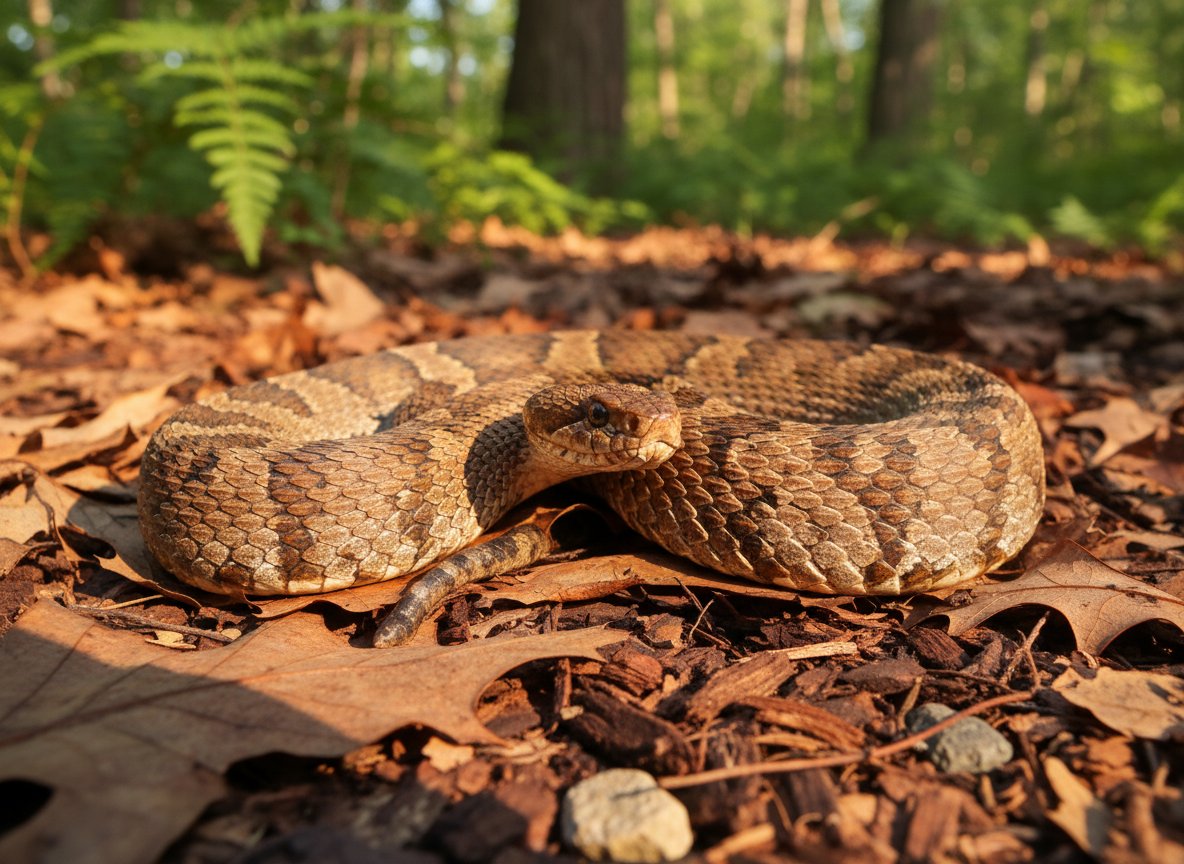
The venomous species homeowners should be aware of include copperheads (Agkistrodon contortrix), which have distinctive hourglass-shaped tan and copper crossbands and are responsible for more venomous snakebites in the U.S. than any other species. Rattlesnakes (various Crotalus and Sistrurus species) are identifiable by the segmented rattle on their tail tip, though young rattlesnakes may only have a single button. Water moccasins (cottonmouths, Agkistrodon piscivorus) are thick-bodied, dark-colored snakes found near water sources in the southeastern U.S., and they display a distinctive white mouth interior when threatened. Coral snakes (Micrurus spp.) have bright red, yellow, and black banding - the saying "red touches yellow, kills a fellow" can help distinguish them from harmless mimics like king snakes, though this rule only applies reliably to North American species.
To distinguish venomous from non-venomous snakes from a safe distance, look for these general traits: most venomous pit vipers (copperheads, rattlesnakes, water moccasins) have thick, heavy bodies relative to their length, triangular or arrow-shaped heads that are noticeably wider than their necks, and a single row of scales on the underside of the tail past the vent. Non-venomous snakes tend to have slender bodies, rounded heads that blend smoothly into the neck, and divided scales under the tail. Important: never approach a snake closely enough to check pupil shape or scale patterns. If you cannot identify a snake from at least 6 feet away, treat it as venomous and keep your distance. Snakes range in size from 6-inch baby snakes to large rat snakes and rattlesnakes exceeding 5-6 feet. When in doubt, take a photo from a safe distance and contact your local wildlife agency or a professional for identification.
Signs of a Snakes Infestation
The most obvious sign of snake activity around your home is shed skins (also called sloughs). Snakes shed their entire skin in one piece several times per year as they grow. Finding a translucent, papery shed skin in your garage, basement, crawl space, or along the foundation is a clear indicator that a snake has been using that area. The shed skin often retains the scale pattern and can help with species identification - a wildlife professional or your local extension office can identify the species from a shed skin.
Snake droppings (feces) are another telltale sign, though they are often mistaken for bird droppings. Snake feces are typically dark brown or black, somewhat elongated, and may contain visible hair, bones, or insect parts from their prey. They often include a white, chalky uric acid cap (similar to bird droppings). In dusty or muddy areas around your foundation, you may notice distinctive slither tracks - S-shaped or straight-line trails left in loose soil, sand, or dust. These tracks are especially visible in crawl spaces with dirt floors, along dusty garage floors, or in garden beds near the house.
Seeing a snake basking on warm surfaces such as driveways, patios, rock walls, or south-facing foundations is common during spring and fall when snakes need external heat to regulate their body temperature. Snake holes or gaps near your foundation - especially where pipes, conduits, or utilities enter the building - may serve as entry points. You may also notice holes in garden beds or under sidewalks that snakes use as shelter, though they typically adopt existing rodent burrows rather than digging their own. In enclosed areas like crawl spaces, basements, or garages, a persistent musky, pungent odor can indicate snake presence. This smell comes from musk glands snakes use as a defense mechanism and is particularly strong with garter snakes and some water snake species. If you are finding multiple signs, you likely have an established snake population attracted to your property by available food (rodents, insects, frogs) or shelter.
Health & Property Risks
The primary risk snakes pose to homeowners is venomous bites. In the United States, approximately 7,000-8,000 venomous snakebites are reported annually, resulting in about 5 deaths per year. Copperheads account for the majority of venomous bites and, while rarely fatal to healthy adults, their bites cause significant pain, swelling, and tissue damage that can require hospitalization and weeks of recovery. Rattlesnake bites are more medically serious and can cause systemic effects including blood clotting disorders, tissue necrosis, and in severe cases, organ damage. Water moccasin (cottonmouth) bites produce similar symptoms to copperhead bites but can be more severe. Coral snake bites are rare but their neurotoxic venom can cause respiratory failure if untreated - symptoms may be delayed for hours, making them particularly dangerous.
Even non-venomous snake bites carry real risks. While the bite itself is usually minor, snake mouths harbor bacteria that can cause wound infections, including Staphylococcus, Pseudomonas, and other pathogens. Any snake bite that breaks the skin should be cleaned thoroughly and monitored for signs of infection such as increasing redness, swelling, warmth, or pus. Some people experience allergic reactions to snake bites regardless of whether venom is involved. Beyond the physical risks, snakes cause significant psychological stress for many homeowners. Ophidiophobia (fear of snakes) is one of the most common phobias, and the presence of snakes on a property can cause anxiety, sleep disruption, and reluctance to use outdoor spaces - a genuine quality-of-life issue that should not be dismissed.
An often-overlooked risk is what snake presence indicates about your property. Snakes are predators, and their presence almost always signals an established population of prey animals nearby - typically rodents (mice, rats, voles) but also frogs, lizards, or large insect populations. If you are seeing snakes regularly, you likely have a rodent problem that also needs to be addressed. Rodents themselves cause property damage, contaminate food, and carry diseases. Addressing only the snakes without dealing with their prey source will result in new snakes being attracted to the same food supply. A comprehensive approach that addresses both the snake issue and the underlying rodent population is far more effective than dealing with snakes alone.
DIY vs. Professional Treatment
For non-venomous snakes, many homeowners can manage the situation through habitat modification without ever needing to handle a snake directly. The most effective DIY approach is removing the conditions that attract snakes to your property: mow grass short (under 4 inches), remove debris piles, woodpiles, and rock piles near the house, and eliminate ground cover that provides shelter. Removing the prey source is equally critical - if you have a mouse or rat problem, solving it will naturally reduce snake activity. For a snake found inside your home, you can open a door to the outside and use a broom to gently guide a non-venomous snake toward the exit, or place a large trash can on its side near the snake and use a broom to guide it in, then carry it outside.
For venomous snakes, the rule is simple: always call a professional. Do not attempt to capture, kill, or relocate a venomous snake yourself. The majority of venomous snakebites occur when people try to handle or kill a snake. Keep all family members and pets away from the snake, observe it from a safe distance (at least 6 feet), and call a wildlife removal professional or your local animal control. If the snake is inside your home, confine it to one room by placing a towel under the door and call for emergency removal. It is worth noting that commercial snake repellents (including naphthalene and sulfur-based products) have been consistently shown in university studies to be largely ineffective at deterring snakes. Do not waste money on these products.
Exclusion is the long-term solution and the most valuable investment for persistent snake problems. Sealing all gaps larger than 1/4 inch around your foundation, installing hardware cloth (1/4-inch mesh) over vents, weep holes, and pipe penetrations, and adding door sweeps to garage doors will physically prevent snakes from entering structures. For indoor snakes, glue traps (also called glue boards) placed along walls in garages, basements, and crawl spaces can capture snakes that have found their way inside. These must be checked at least daily - a trapped snake left on a glue board will die slowly, which is inhumane and may violate local wildlife regulations. Captured non-venomous snakes can be released by pouring vegetable oil over the glue to dissolve the adhesive. If you are unsure whether a trapped snake is venomous, do not handle the trap - call a professional to retrieve it.
Prevention Tips
Yard maintenance is your first line of defense against snakes. Keep your lawn mowed to 4 inches or shorter throughout the active season (April through October in most regions). Tall grass provides cover for both snakes and their rodent prey, so a well-maintained lawn significantly reduces snake activity near your home. Remove all debris piles, lumber stacks, brush piles, and leaf litter from within 20-30 feet of your foundation. Move firewood storage at least 20 feet from the house and store it on a raised rack rather than directly on the ground. Remove or thin dense ground cover plantings (ivy, pachysandra, mondo grass) near the foundation and replace them with less dense landscaping or mulch beds that do not provide concealment.
Seal your home's exterior to prevent snake entry. Inspect your entire foundation for gaps and cracks, keeping in mind that most snakes can fit through any opening larger than 1/4 inch. Pay special attention to where utilities (pipes, wires, HVAC lines) penetrate the foundation or walls - these are the most common snake entry points. Use caulk, expanding foam, or mortar to seal small gaps, and install 1/4-inch hardware cloth over larger openings like vents, weep holes, and crawl space access points. Ensure garage doors have tight-fitting door sweeps with no gaps at the bottom or sides. Screen or cover all foundation vents, dryer vents, and HVAC intakes. If you have a crawl space, ensure the vapor barrier is intact and all access points are sealed.
Eliminate the food source that is attracting snakes to your property. Since most snakes around homes are feeding on rodents, an active rodent control program is essential for long-term snake prevention. Seal entry points mice and rats use to enter your home, remove bird feeders (which attract rodents), keep pet food indoors, and maintain clean garbage storage. Remove standing water sources like birdbaths, clogged gutters, and poorly drained areas, as these attract frogs, toads, and insects that snakes also prey on. Trim tree branches and shrubs so they do not contact your house, as these can serve as bridges for both rodents and arboreal snakes. For properties with persistent snake problems - particularly those bordering wooded areas, wetlands, or fields - consider installing a snake-proof fence (1/4-inch galvanized hardware cloth, 36 inches tall, buried 6 inches underground, angled outward at 30 degrees at the top) around high-priority areas like patios, play areas, or gardens.
Treatment Costs
Professional snake removal typically costs $100-$500 per visit, depending on the species, accessibility, and your geographic location. A straightforward removal of a non-venomous snake from a garage or yard averages $100-$250. Venomous snake removal, which requires specialized equipment and carries higher risk for the technician, typically costs $200-$700, with emergency or after-hours calls at the higher end of that range. Some wildlife control operators charge a flat service call fee ($75-$150) plus a per-snake removal fee.
Exclusion and snake-proofing is a separate service and represents the most cost-effective long-term investment. Professional exclusion work - sealing foundation gaps, screening vents, installing door sweeps, and addressing other entry points - typically runs $300-$1,500 depending on the size of the home and the number of entry points that need to be addressed. Comprehensive exclusion that includes both snake-proofing and rodent-proofing (since the two problems are connected) may cost $500-$2,500 for a full home. Some companies offer bundled removal + exclusion packages at a discount. If snake-proof fencing is needed for outdoor areas, expect to pay $8-$15 per linear foot installed.
See our full Snake Removal Cost Guide for detailed pricing by service type and region.
Frequently Asked Questions
How can I tell if a snake is venomous?
From a safe distance (at least 6 feet), look for these general indicators of venomous pit vipers (copperheads, rattlesnakes, cottonmouths): a thick, heavy body relative to length, a triangular head noticeably wider than the neck, and in the case of rattlesnakes, a rattle on the tail tip. Non-venomous snakes tend to be more slender with rounded heads. Never approach a snake closely to check pupil shape or scale details. If you cannot confidently identify the species from a safe distance, treat it as venomous and call a professional. You can also photograph it from a distance for later identification.
Do snake repellents actually work?
No. Multiple university studies have consistently shown that commercial snake repellents - including products containing naphthalene (mothballs), sulfur, cedar oil, cinnamon oil, and clove oil - are not effective at deterring snakes. The EPA does not recognize any chemical as a proven snake repellent. Your money is far better spent on habitat modification (removing cover and debris, mowing grass short) and exclusion (sealing gaps in your foundation). These physical methods are the only reliably effective approaches to reducing snake activity around your home.
What should I do if I am bitten by a snake?
Move away from the snake to a safe distance. Call 911 or go to the nearest emergency room immediately - do not wait for symptoms to appear, as some venom effects are delayed. Try to remember the snake's appearance (color, pattern, size) or take a photo from a safe distance if possible, but do not waste time or put yourself at risk trying to capture or kill the snake. Keep the bitten limb below heart level and remove jewelry or tight clothing near the bite before swelling begins. Do NOT apply a tourniquet, cut the wound, attempt to suck out venom, or apply ice. These outdated first-aid methods cause additional harm. Antivenom is the only effective treatment for venomous snakebites and is available at most hospital emergency departments.
Get a Free Snakes Treatment Quote
Answer a few questions about your pest problem and get an instant price estimate, then get matched with licensed professionals in your area.
Get a Free QuoteFind Snakes Exterminators Near You
Browse our directory of licensed pest control professionals who specialize in snakes treatment.
Search DirectoryRelated Pest Guides
Mice
Get rid of mice fast with our expert guide. Learn signs of mouse activity, humane and lethal control options, entry point sealing, and costs.
Rats
Eliminate rats safely with our expert guide. Covers Norway and roof rats, signs of infestation, treatment methods, exclusion tips, and costs.
Wildlife (Raccoons, Squirrels, Opossums)
Safe wildlife removal for raccoons, squirrels, and opossums. Learn signs of wildlife in your home, humane removal options, and exclusion methods.