
How to Get Rid of Bed Bugs: Complete Treatment Guide
Cimex lectularius
How to Identify Bed Bugs
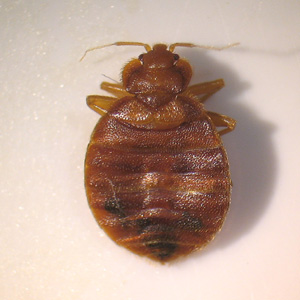
Bed bugs are small, flat, oval-shaped insects about the size of an apple seed (4-7mm long). Adults are reddish-brown in color, while nymphs (juveniles) are smaller and translucent or yellowish-white. After feeding, their bodies swell and take on a deeper reddish hue.
These insects are wingless and cannot fly or jump. They have six legs and two short antennae. Under magnification, you can see their segmented bodies and piercing-sucking mouthparts used for feeding on blood. Bed bug eggs are tiny (about 1mm), pearly white, and often found in clusters in crevices.
Common species include the common bed bug (Cimex lectularius) found in temperate climates and the tropical bed bug (Cimex hemipterus). Both species look nearly identical and require the same treatment approaches. Do not confuse bed bugs with carpet beetles, bat bugs, or spider beetles, which have similar appearances but different behaviors.
Signs of a Bed Bugs Infestation
The most obvious sign of bed bugs is waking up with itchy, red welts on exposed skin. These bites often appear in lines or clusters, typically on arms, shoulders, neck, and face. However, not everyone reacts to bed bug bites, so bites alone are not a reliable indicator.
Inspect your mattress seams, box spring, and bed frame for physical evidence. Look for tiny dark spots (fecal stains that look like dots from a marker), shed skins (translucent exoskeletons), and live bugs. You may also notice small blood spots on your sheets from crushed bugs or feeding wounds.
A heavy infestation produces a distinctive sweet, musty odor from the bugs' scent glands. Check behind headboards, in nightstand drawers, along baseboards, behind electrical outlet covers, and in any cracks or crevices near sleeping areas. Bed bugs can hide in surprisingly small spaces - any crack that fits a credit card edge can harbor these pests.
Health & Property Risks
While bed bugs are not known to transmit diseases, they pose significant health and psychological concerns. Bed bug bites can cause allergic reactions ranging from small, itchy welts to severe rashes requiring medical attention. Excessive scratching of bites can lead to secondary skin infections.
The psychological impact of a bed bug infestation is often underestimated. Many people experience insomnia, anxiety, and stress when dealing with bed bugs. The stigma associated with bed bugs can also cause emotional distress, though it is important to note that bed bugs are not a sign of poor hygiene - they can infest even the cleanest homes.
In severe or prolonged infestations, sensitive individuals (especially the elderly) can develop anemia from repeated blood feeding. Bed bugs can also cause significant financial costs due to treatment expenses, replacing contaminated belongings, and potential loss of rental income for property owners.
DIY vs. Professional Treatment
Bed bugs are among the most difficult pests to eliminate without professional help. Their ability to hide in tiny crevices, survive months without feeding, and develop resistance to common pesticides makes DIY treatment extremely challenging. Most pest control experts agree that professional treatment is almost always necessary.
If you catch an infestation very early (just a few bugs), you can try washing and drying all bedding on high heat, vacuuming thoroughly, and using mattress encasements. Diatomaceous earth (food-grade) can be applied to cracks and crevices as a supplemental measure. However, these steps alone rarely eliminate an established infestation.
Call a professional when: you find bugs in multiple rooms, bites continue despite DIY efforts, you live in a multi-unit building (bed bugs spread between units), or you have been dealing with the problem for more than a week or two. Professional treatments include heat treatment (raising room temperature to 130-140°F), targeted chemical applications, and fumigation. Heat treatment is often the most effective single-visit option, while chemical treatments may require 2-3 visits.
Prevention Tips
When traveling, inspect hotel rooms before unpacking. Check mattress seams, behind headboards, and in drawer crevices. Keep luggage on metal luggage racks (not the floor or bed). Upon returning home, wash and dry all clothing on high heat, and inspect your suitcase before bringing it inside.
At home, reduce clutter to eliminate hiding spots. Use light-colored bedding to make it easier to spot signs. Install mattress and box spring encasements rated for bed bugs. Be cautious with secondhand furniture - inspect used items thoroughly before bringing them into your home, and never pick up mattresses or upholstered furniture left on the curb.
In apartments and multi-unit housing, seal cracks around baseboards, electrical outlets, and pipe penetrations to prevent bed bugs from traveling between units. Regular inspections of sleeping areas can help catch infestations early when they are much easier and cheaper to treat.
Treatment Costs
Professional bed bug treatment typically costs between $300 and $5,000 depending on the treatment method, size of the infestation, and size of the home. Chemical treatments average $300-$700 per room, while whole-house heat treatment typically runs $2,000-$4,000. Fumigation for severe infestations can reach $4,000-$6,000 for a full home.
Most professionals recommend heat treatment for its effectiveness in a single visit, though it costs more upfront. Factors affecting cost include the number of rooms affected, severity of infestation, treatment method chosen, and whether follow-up visits are needed. Many companies offer free inspections and can provide detailed quotes. Some offer payment plans given the often-unexpected nature of bed bug expenses.
See our full Bed Bug Treatment Cost Guide for detailed pricing by method.
Frequently Asked Questions
Can bed bugs live in my hair?
No, bed bugs do not live in hair or on people. Unlike lice or fleas, bed bugs prefer to hide in cracks and crevices near where you sleep and only come out briefly to feed, typically at night.
How long can bed bugs survive without feeding?
Adult bed bugs can survive 6-12 months without a blood meal under cool conditions. This is why simply leaving a room vacant does not eliminate an infestation, and professional treatment is recommended.
Can I get rid of bed bugs by throwing away my mattress?
Throwing away your mattress alone will not solve the problem. Bed bugs hide in many locations beyond the mattress, including bed frames, baseboards, furniture, and electrical outlets. Professional treatment of the entire space is needed.
Get a Free Bed Bugs Treatment Quote
Answer a few questions about your pest problem and get an instant price estimate, then get matched with licensed professionals in your area.
Get a Free QuoteFind Bed Bugs Exterminators Near You
Browse our directory of licensed pest control professionals who specialize in bed bugs treatment.
Search DirectoryRelated Pest Guides
Cockroaches
Eliminate cockroaches for good. Expert guide covers identification, health risks, proven treatment methods, and prevention tips for your home.
Fleas
Eliminate fleas from your home and pets. Expert guide covers flea identification, treatment steps, pet care, yard treatment, and prevention tips.