
How to Get Rid of Ants: Identification & Treatment Guide
Formicidae
How to Identify Ants
The United States is home to hundreds of ant species, but a handful are responsible for most household invasions. Odorous house ants are small (1/16-1/8 inch), dark brown to black, and emit a rotten coconut smell when crushed. Carpenter ants are much larger (1/4-1/2 inch), usually black, and nest inside wood. Pavement ants are small, dark brown, and commonly nest in cracks in driveways and sidewalks.
Fire ants are reddish-brown, aggressive, and build distinctive dome-shaped mounds in yards. Pharaoh ants are tiny (1/16 inch), yellowish, and are common in hospitals and food-service buildings. Each species requires different treatment strategies, so accurate identification is the first step to effective control.
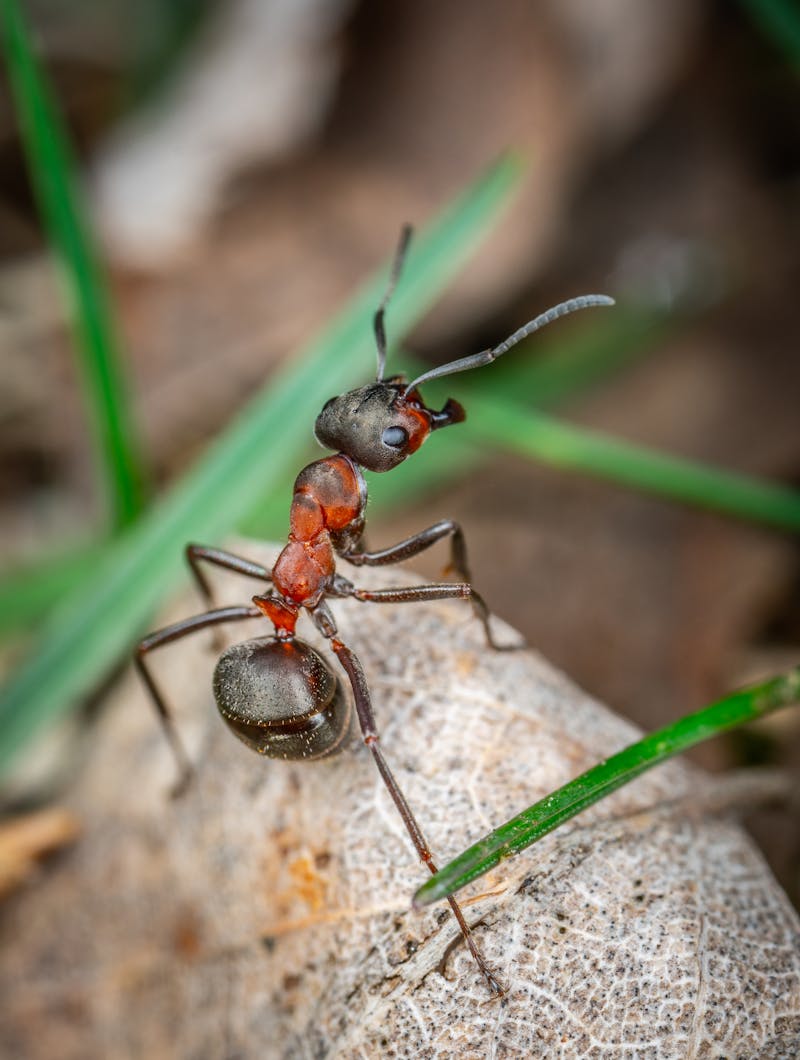
All ants have three body segments (head, thorax, abdomen) with a narrow waist, elbowed antennae, and six legs. They live in colonies with a queen, workers, and sometimes soldiers. Understanding that you are seeing workers foraging for food - and that the colony (with the queen) is often hidden away - is key to effective treatment.
Signs of a Ants Infestation
The most obvious sign is seeing live ants, particularly in trails. Ants leave chemical pheromone trails for other colony members to follow, which is why you see them walking in lines. A few scout ants in your kitchen may not seem alarming, but they indicate that a colony has identified your home as a food source.
Look for small piles of dirt or sand near foundations, sidewalk cracks, or along walls - these are ant nest entrances. Carpenter ants produce frass (fine sawdust-like shavings) that accumulates below their nesting galleries in wood. You may hear faint rustling inside walls if a large carpenter ant colony is present.
Winged ants appearing indoors (especially in spring) signal a mature colony nearby that is producing reproductives. Large numbers of winged ants emerging from walls or ceilings indicate the colony is actually inside the structure. Also watch for ant activity around pet food bowls, garbage cans, and pantry areas.
Health & Property Risks
Most household ant species are primarily nuisance pests that contaminate food and are unpleasant to live with. However, several species pose more serious concerns. Carpenter ants excavate galleries in wood for nesting, and over time can cause significant structural damage similar to (though usually less severe than) termites.
Fire ants deliver painful stings that cause burning, itchy welts. In sensitive individuals, fire ant stings can trigger serious allergic reactions including anaphylaxis. Fire ants are particularly dangerous to small children, elderly individuals, and pets who may inadvertently disturb a mound.
Pharaoh ants are a health concern in hospitals and care facilities because they can spread bacteria including Salmonella, Staphylococcus, and Streptococcus. In homes, ants contaminate food supplies and can damage electrical wiring and insulation. The economic cost of ant damage and control in the U.S. is estimated in the billions of dollars annually.
DIY vs. Professional Treatment
Ants are one pest where DIY approaches can be effective if you use the right strategy. The key principle is bait, do not spray. Spraying ants with contact killers only eliminates the foragers you see, while the colony (and queen) continues producing more. Baits work by letting foragers carry slow-acting poison back to the colony, eventually killing the queen.
Choose a bait that matches the species. Sugar-based baits work for sweet-feeding ants (odorous house ants, pharaoh ants), while protein or grease-based baits are better for other species. Place baits along ant trails and near entry points. Be patient - baiting can take 1-2 weeks to eliminate a colony. Keep the area around baits clean but do not clean up the ant trails, as other ants need to follow them to the bait.
Call a professional when: you have carpenter ants (structural damage risk), fire ants in your yard (safety risk), ants keep returning despite baiting, the colony is inside your walls, or you are dealing with multiple species. Professionals can identify species accurately, locate hidden nests, and apply targeted treatments. For carpenter ants, professionals use specialized dust treatments injected into wall voids that DIY products cannot replicate.
Prevention Tips
Seal entry points by caulking cracks around windows, doors, foundations, and where utility lines enter the home. Ants can enter through incredibly small gaps, so thorough sealing makes a real difference. Pay attention to areas where plumbing or wiring penetrates walls.
Keep your kitchen clean: wipe counters after food preparation, sweep floors regularly, store food in sealed containers, and promptly clean up spills (especially sugary ones). Take out garbage regularly and keep trash cans clean. Rinse recyclable containers before placing them in bins. Do not leave pet food out overnight.
Outdoors, trim tree branches and shrubs that touch the house, as these serve as bridges for ants. Move mulch back from the foundation (at least 12 inches). Address moisture problems - ants are attracted to water sources. Fix leaky outdoor faucets and ensure good drainage. Store firewood well away from the house and elevated off the ground.
Treatment Costs
Professional ant treatment typically costs $150-$500 for a standard treatment, with the average homeowner paying around $250. Carpenter ant treatment is more expensive at $250-$1,000 because it involves locating and treating nests within the structure, often requiring wall void treatments and follow-up visits.
Fire ant yard treatments range from $100-$300 for a standard lawn application. Ongoing ant prevention programs (quarterly treatments) typically cost $200-$400 per year. Factors affecting price include the ant species, number of colonies, size of the infestation area, and whether structural treatment is needed. Many companies offer satisfaction guarantees with free re-treatment if ants return between scheduled visits.
See our full Ant Exterminator Cost Guide for detailed pricing by species and method.
Frequently Asked Questions
Why do ants suddenly appear in my kitchen?
Ants send out scout workers to search for food and water. When a scout finds a source, it lays a pheromone trail for others to follow. A sudden appearance usually means scouts discovered accessible food or moisture in your kitchen.
Are carpenter ants as destructive as termites?
Carpenter ants cause structural damage but generally less than termites. Unlike termites, carpenter ants do not eat wood - they excavate it for nesting. Damage accumulates more slowly, but left untreated over years, carpenter ants can compromise structural elements.
Why should I use bait instead of spray for ants?
Contact sprays only kill the few ants you see, while the colony continues producing more. Bait is carried back to the nest by workers and shared with the colony, including the queen. Eliminating the queen is the only way to stop the colony permanently.
Get a Free Ants Treatment Quote
Answer a few questions about your pest problem and get an instant price estimate, then get matched with licensed professionals in your area.
Get a Free QuoteFind Ants Exterminators Near You
Browse our directory of licensed pest control professionals who specialize in ants treatment.
Search Directory