
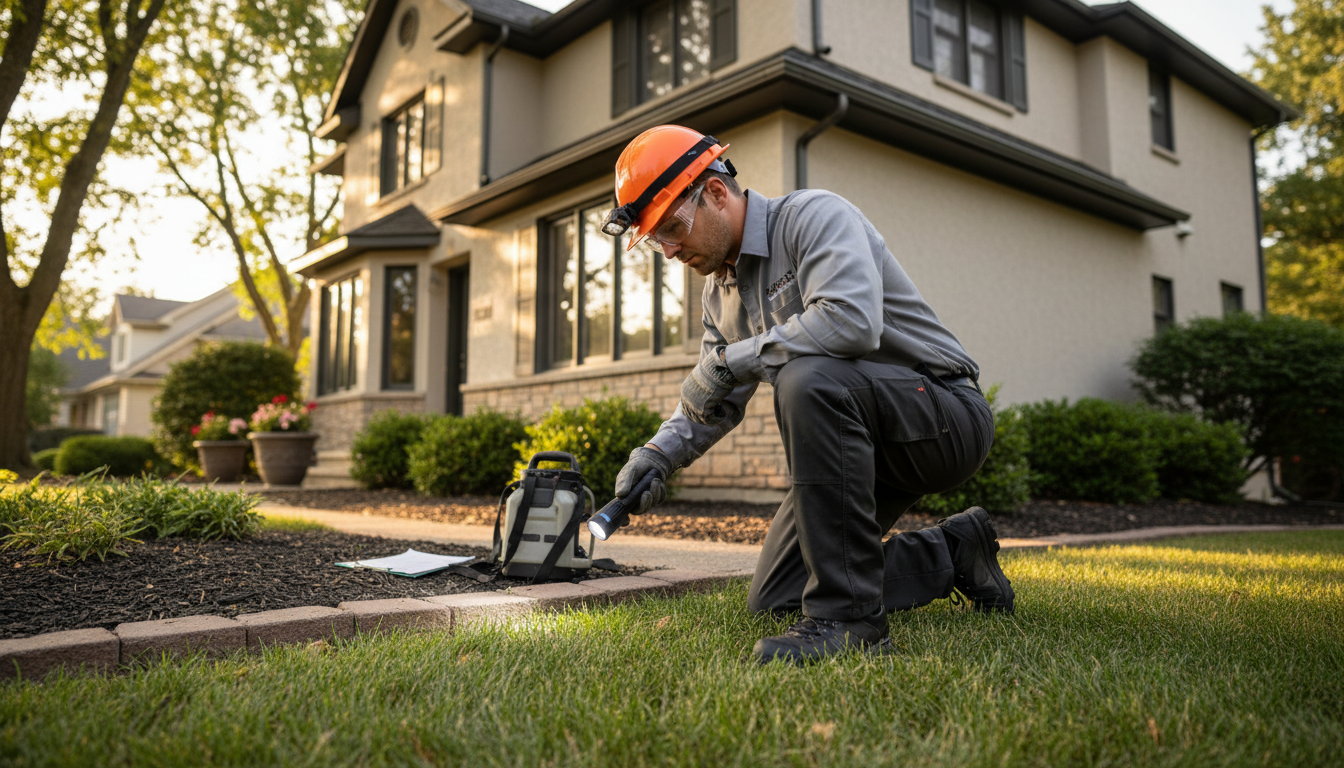
What to Expect During a Professional Pest Inspection
Key Takeaways
- A professional pest inspection typically takes 60–90 minutes and covers every accessible area of your home.
- There are three main types: general pest inspections, WDI/termite inspections (required for most real estate transactions), and targeted inspections.
- You will receive a written report detailing findings, evidence of infestation, and recommended treatments.
- Many pest control companies offer free inspections — but paid inspections from independent inspectors are unbiased.
- Most experts recommend inspecting your home at least once a year, more often in high-risk climates.
Hiring a pest control professional to inspect your home can feel like a big step — especially if you've never done it before. What exactly will they look at? How long does it take? What happens if they find something?
A pest inspection is a straightforward, non-invasive process. Understanding what to expect helps you prepare, ask better questions, and make confident decisions about protecting your home.
Types of Pest Inspections
General Pest Inspection
A general pest inspection is a comprehensive, whole-home assessment covering all common household pests — ants, cockroaches, rodents, bed bugs, termites, spiders, and more. This is the most common type for existing homeowners.
WDI / Termite Inspection (Real Estate)
A Wood-Destroying Insect (WDI) inspection is specifically required by most mortgage lenders during a real estate transaction. It documents:
- Termites (subterranean, drywood, dampwood)
- Wood-boring beetles
- Carpenter ants
- Wood-decaying fungi
A licensed inspector completes an official WDI report form submitted to the lender. This must typically be performed by a licensed pest control professional.
Targeted Inspection
If you suspect a specific pest — bed bug bites, scratching in walls — a targeted inspection focuses exclusively on identifying that pest. These are often faster and may use specialists (such as bed bug detection dogs).
How to Prepare
Before the Inspector Arrives
- Clear access to key areas. Move items from walls in the garage, basement, attic entry, and under sinks.
- Empty cabinets under kitchen and bathroom sinks — high-priority inspection zones.
- Pull appliances slightly from the wall if possible.
- Unlock the attic hatch and crawl space access. Inaccessible areas get noted as "not inspected."
- Note any pest activity you've observed — droppings, chew marks, sounds — and where/when.
- Secure pets. Inspectors need doors open in tight spaces.
What to Have Ready
- Previous inspection reports or treatment records
- A list of areas or concerns to prioritize
- Landlord or HOA contact info if applicable
What Happens During the Inspection
Step 1: Interview
The inspector spends a few minutes asking about pest activity, how long you've lived there, previous treatments, and any moisture issues or renovations.
Step 2: Exterior Walk-Around
A full perimeter inspection looking for:
- Entry points — gaps around pipes, vents, doors, and windows
- Conducive conditions — wood-to-soil contact, mulch against the foundation, stacked firewood
- Mud tubes (subterranean termites), frass (carpenter ants/drywood termites), or burrowing evidence
- Damaged or rotting wood on fascia, soffits, or decking
- Standing water or poor drainage
Step 3: Interior Room-by-Room
- Kitchen: Under/behind appliances, inside cabinets, around dishwasher
- Bathrooms: Under sinks, toilet base, areas with visible moisture
- Bedrooms: Mattress seams, box springs, bed frames (bed bugs), baseboards
- Garage: Perimeter walls, door seal, stored items
- Basement: Foundation walls, floor joists, plumbing penetrations
Step 4: Attic Inspection
The attic is one of the most important areas. Inspectors look for rodent droppings, nesting material, gnaw marks on wiring, evidence of squirrels/raccoons/bats, termite damage in roof framing, and gaps where pests enter.
Step 5: Crawl Space
The inspector checks for termite mud tubes, moisture damage, wood rot, rodent activity, damaged vapor barrier, and standing water.
Step 6: Moisture Readings
Many inspectors use a moisture meter. Wood moisture above 19% is flagged as a termite and fungal risk, even without visible damage.
Step 7: Documentation
Notes and photographs throughout become the basis for your written report.
What the Inspector Looks For
Inspectors are trained to identify a wide range of infestation evidence:
- Droppings (frass) — size and shape identify the species
- Mud tubes — pencil-width tunnels built by subterranean termites
- Shed skins or wings — termite swarmers leave wings near windowsills
- Gnaw marks — fresh marks are light-colored, old marks darker
- Structural damage — hollow-sounding wood, blistered paint, buckling floors
- Egg cases — cockroach oothecae in dark, sheltered areas
- Grease marks — rodent rub marks along walls
- Conducive conditions — risk factors that make infestation likely
Understanding Your Report
What It Includes
- Property information and inspector license number
- Areas inspected and areas not inspected (with reasons)
- Findings: active infestation, inactive infestation, or damage
- Conducive conditions
- Recommended actions
- Photographs
Active vs. Inactive
Active means pests are currently present. Inactive means past evidence without current signs. Both matter, but active findings typically require immediate treatment.
Conducive Conditions ≠ Infestations
"Wood-to-soil contact at rear deck" means increased termite risk, not that you have termites. These findings deserve attention but are distinct from active pest evidence.
After the Inspection
Clean Report
Good news. Address any recommended preventive measures and schedule your next inspection in 12 months.
Active Infestation Found
You'll receive a treatment plan and quote. You're not obligated to use the same company. For significant findings, get two or three quotes before committing.
Buying a Home
WDI findings can be used in purchase price negotiations. Work with your real estate agent and attorney to understand your options.
Inspection Costs
- General pest inspection: $75 – $150 (or free from many companies)
- WDI / termite (real estate): $75 – $150
- Targeted (e.g., bed bugs): $100 – $300
- Full pest + WDI combined: $150 – $250
For detailed pricing, see our complete pest control cost guide.
Free vs. Paid Inspections
Free (from a Pest Control Company)
- The inspector has a business incentive to recommend treatment
- Quality varies — some are thorough, others are sales-focused
- Usually not accepted for real estate transactions
- Best for: routine check-ups and exploring treatment options
Paid (Independent Inspector)
- No financial stake in the treatment outcome
- More likely unbiased and comprehensive
- Required for WDI reports in real estate
- Best for: home purchases, second opinions, legal situations
Pro tip: After a free inspection with a treatment recommendation, it's always reasonable to get a second opinion — especially for expensive treatments like fumigation.
How Often Should You Get Inspected?
- Once a year — baseline for most homes
- Twice a year — termite-heavy regions (Gulf Coast, Southeast, Hawaii, parts of CA and AZ)
- Every 1–3 years — newer homes in low-risk areas with no pest history
- Before any real estate transaction — required by most lenders
- After visible pest activity — don't wait for your annual inspection
- After major storms or flooding — displaced pests enter homes after extreme weather
Conclusion
A professional pest inspection is one of the smartest investments you can make as a homeowner. It gives you a clear, documented picture of your home's pest status — whether that's peace of mind or early detection of a problem that could cost thousands if left untreated.
Ready to schedule an inspection? Use our directory to find licensed, reviewed pest control professionals in your area.
Related Articles

Why Pest Control Companies Are Booming: Industry Trends for 2026
Key Takeaways The U.S. pest control industry generates over $24 billion in annual revenue and has ...

Pest Control for New Homeowners: Your First-Year Checklist
Key Takeaways Schedule a professional pest inspection within the first 30 days of homeownership — ...
How Much Does Pest Control Cost in 2026? A Complete Pricing Guide
Key Takeaways The average one-time pest control treatment costs $150–$350, while quarterly service...